



A basement can have fresh paint and new flooring yet still feel cold, dark, or unfinished if the work behind the walls was skipped. The best basement finishing upgrades start with the details that make the space dry, comfortable, safe, and useful for your family year after year.
For Staten Island homeowners, a finished basement often becomes the hardest-working area of the house: a family room, playroom, home office, guest space, gym, or organized storage area. That makes the decisions made during construction more important than the furniture brought in afterward. Here are nine upgrades worth planning for before the walls are closed.
The Best Basement Finishing Upgrades Begin With Protection
1. Moisture control behind finished walls
No finish material performs well in a damp basement. Before framing, drywall, flooring, or trim work begins, the basement should be checked for water entry, high humidity, cracks, and signs of past leaks. A musty smell, peeling paint, stained block walls, or efflorescence can all point to a problem that needs attention first.
Water mitigation may include sealing trouble spots, improving drainage, repairing cracks, installing a sump solution where appropriate, or adding a properly sized dehumidifier. The right answer depends on where the moisture is coming from. Covering a wet wall with insulation and drywall may make the room look better for a while, but it can trap moisture and create a much more expensive repair later.
This is not the glamorous part of a basement remodel, but it is where a reliable finished space begins.
2. Proper insulation and sound control
Basements naturally run cooler than the rest of the home, especially along foundation walls. Quality insulation helps the room hold a comfortable temperature and reduces the chance that the finished basement feels like an afterthought during winter.
The best insulation approach depends on the foundation, the existing conditions, and local code requirements. In many cases, rigid foam insulation or closed-cell spray foam can help control moisture while improving thermal performance. A contractor should also consider insulated rim joists, which are common sources of drafts.
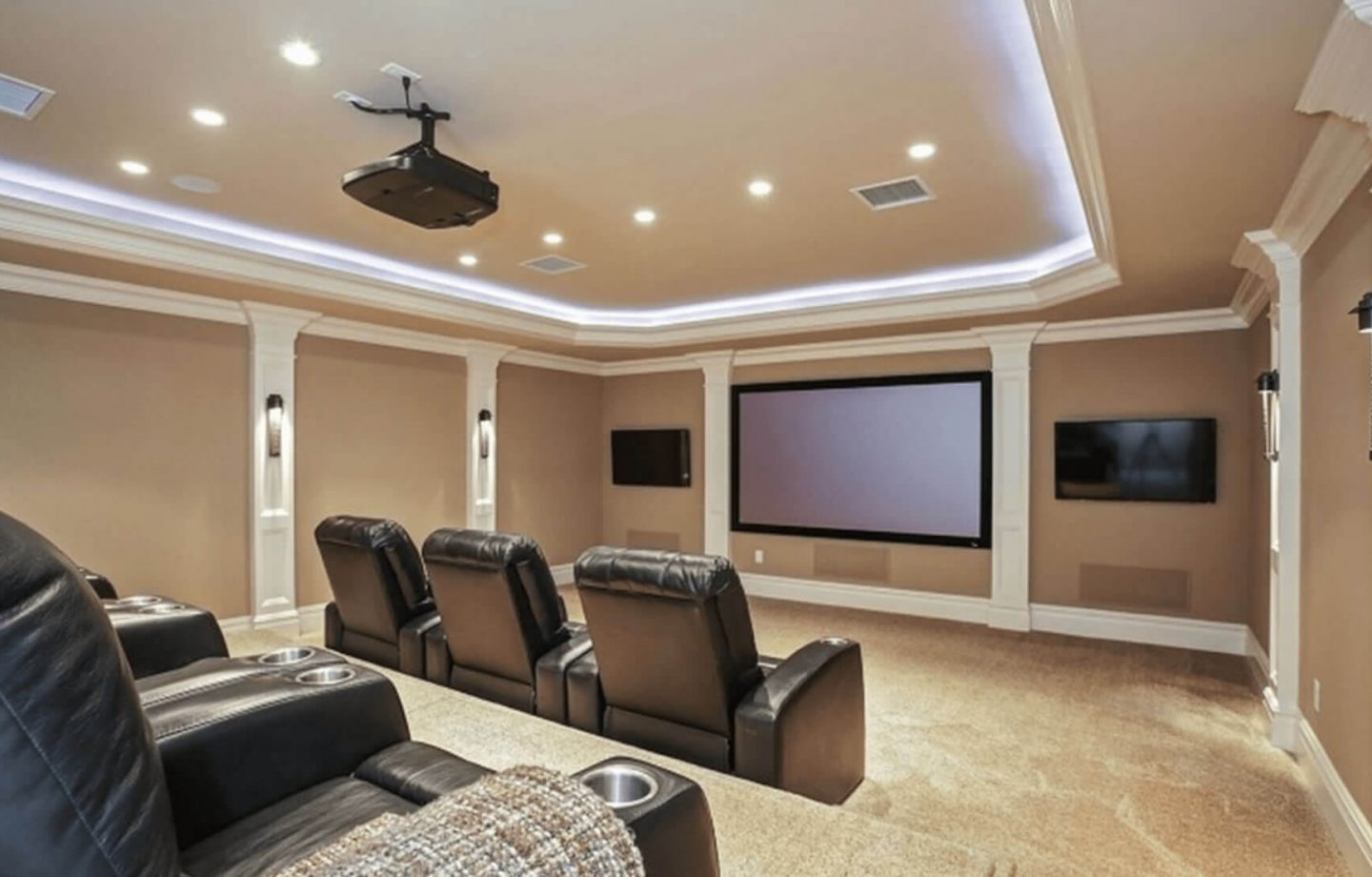
Sound control is another worthwhile upgrade if the basement will be used for movies, gaming, music, exercise equipment, or a home office. Insulation in ceiling cavities helps reduce sound transfer from the first floor. For a stronger result, resilient channels, sound-rated drywall, or specialized underlayment may make sense. These additions cost more up front, but they can make the difference between a room that gets used and one that creates noise complaints upstairs.
3. A finished ceiling with access where it counts
An exposed basement ceiling can work in a modern industrial-style room, but it is not always the best choice. Painted pipes and joists still leave mechanical systems visible, and the ceiling may not provide the sound reduction many homeowners expect.
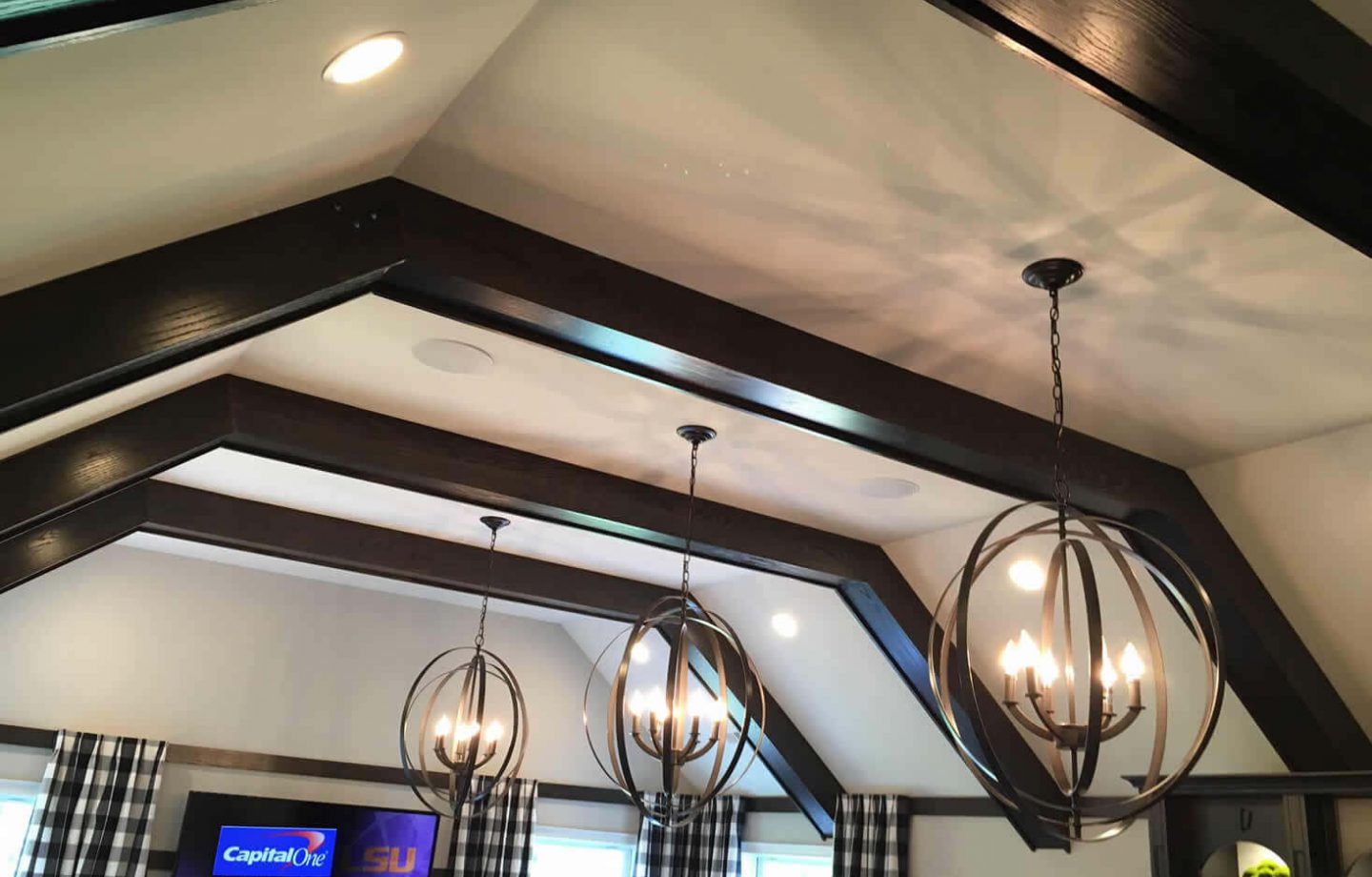
Drywall ceilings create a clean, polished appearance and allow recessed lighting to sit neatly overhead. The trade-off is access. Water shutoffs, cleanouts, junction boxes, dampers, and other service points should remain reachable through well-placed access panels. A good plan hides what should be hidden without making future maintenance a demolition project.
Drop ceilings are another practical option in utility-heavy basements. They offer easy access and have come a long way in appearance. They may be a smart choice near mechanical areas, while drywall can provide a more finished look in the main living space.
4. Layered lighting instead of one overhead fixture
Basements need more lighting than many homeowners initially expect. Smaller windows, lower ceilings, and darker finishes can make a large room feel dim even with a few ceiling fixtures.
Recessed LED lights are a dependable starting point because they distribute light evenly without taking up headroom. They work best when planned in a layout that follows how the room will actually be used, not simply placed in a grid. A TV area may need dimmable lights. A desk or craft space benefits from stronger task lighting. A bar, built-in, or feature wall can look sharp with under-cabinet or accent lighting.
Put lighting on separate switches or dimmers whenever possible. Being able to brighten the whole room for kids’ playtime and soften it for a movie gives the basement far more flexibility without changing anything else.
5. Durable, basement-ready flooring
Flooring has to handle more than foot traffic in a basement. It also has to account for concrete slabs, potential moisture, temperature changes, and the possibility of an occasional water issue.
Luxury vinyl plank is a popular option because it is durable, easy to clean, and available in convincing wood-look styles. Tile is another strong choice for entry areas, laundry zones, or spaces where moisture resistance is the top priority. Engineered wood can work in certain basement conditions, but it should be selected and installed carefully. Solid hardwood is usually a poor match for below-grade areas.
Before selecting the finish floor, address the subfloor. Uneven concrete, cracks, and moisture conditions can affect the final result. Depending on the basement, a moisture barrier, leveling work, or insulated subfloor system may be needed. A floor that feels warm, level, and solid underfoot makes the whole renovation feel better built.
6. Built-in storage that earns its square footage
A finished basement should not become the place where seasonal bins, sports equipment, holiday decorations, and old furniture pile up around the edges. Storage needs to be part of the layout from the beginning.
Custom built-ins can turn an awkward wall into organized storage for games, books, electronics, and family items. A bench with drawers near the basement entry can handle shoes and bags. Under-stair storage is especially valuable because it uses space that is often wasted. Even a properly framed utility closet can keep mechanical systems separated from the finished living area while providing room for supplies.
Open shelving is useful in the right area, but closed cabinetry gives a cleaner look in a family room or entertainment space. The best choice depends on what you need to store and how polished you want the room to feel when guests come over.
7. A bathroom or wet bar planned around plumbing
Adding a basement bathroom is one of the most practical upgrades for a family room, guest area, or entertainment space. It saves trips upstairs and can add real convenience when the basement is being used regularly. A wet bar can serve a similar purpose for hosting, especially when paired with a refrigerator, sink, and durable countertop.
The key is to study the plumbing before committing to a layout. Existing drain locations, ceiling height, sewage ejector needs, venting, and permits can significantly affect the budget. Moving a bathroom across the basement may be possible, but it is rarely the most economical option.
If plumbing is already nearby, this upgrade can be an excellent investment. If it is not, weigh the added cost against how often the space will be used. A well-designed half bath may offer more value than an oversized bar that takes up room needed for seating or storage.
8. Better doors, trim, and finish carpentry
Details are what separate a basic basement finish from a room that feels connected to the rest of the home. Solid interior doors reduce noise and feel more substantial than hollow-core doors. Quality baseboards, casing, custom moulding, and clean transitions around flooring give the space a finished look that holds up over time.
This is also where a contractor’s craftsmanship becomes visible. Corners, trim joints, door reveals, stair details, and built-ins all need careful installation. Rushed finish work is easy to spot, and it can make even expensive materials look cheap.
If the budget requires prioritizing, invest in the areas people touch and see every day: doors, railings, stair trim, built-ins, and the main room’s baseboard and casing. These are upgrades that continue to show their value long after the paint dries.
9. Safety upgrades that do not look like afterthoughts
A finished basement must meet safety requirements, particularly if it includes bedrooms, sleeping areas, or a separate living zone. Egress windows, proper stair railings, smoke and carbon monoxide detectors, GFCI protection, emergency lighting considerations, and code-compliant ceiling heights all deserve attention during planning.
Do not wait until the final inspection to think about these items. An egress solution, for example, may require foundation work and exterior excavation. It is much easier to coordinate before flooring, drywall, and landscaping are complete.
Safety features do not have to ruin the design. With proper planning, a well-finished railing, neatly placed detectors, and thoughtfully designed window wells can protect your family while fitting the look of the space.
Plan the Basement Around How You Will Live in It
The right upgrades depend on the job the basement needs to do. A playroom benefits from durable flooring, easy-clean surfaces, storage, and bright lighting. A home theater may justify stronger sound control, dimmers, and built-in media cabinetry. A guest suite needs privacy, a comfortable bathroom layout, and code-compliant egress.
That is why a one-size-fits-all basement package rarely delivers the best result. A hands-on contractor should walk the space, identify moisture and mechanical concerns, discuss your goals, and build the scope around the way your household actually lives. Clean Sweep Contracting approaches basement work from that full-project perspective, from framing and flooring to tile, paint, trim, built-ins, and the finishing details that bring the room together.
Before choosing finishes, stand in the unfinished basement and picture an ordinary weeknight there. Think about where people will sit, where coats and toys will go, whether someone will need a bathroom, and what happens if a pipe ever needs service. Those answers lead to upgrades that make the space useful, comfortable, and worth the investment.