

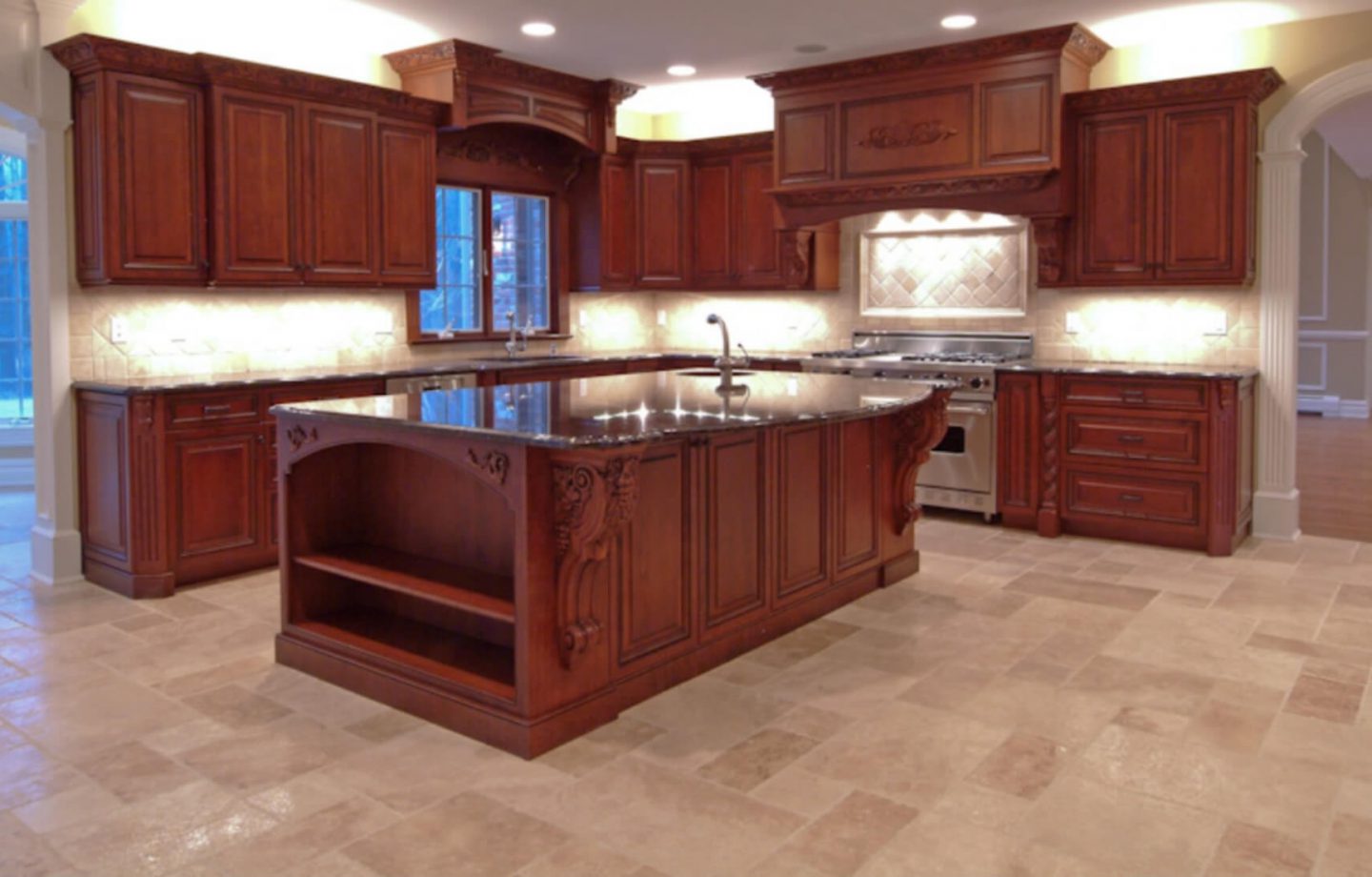


A room can be fully remodeled and still feel unfinished. The cabinets may be installed, the floors may be down, and the walls may be painted, but if the trim is uneven, the doors don’t sit right, or the built-ins look like an afterthought, you notice it every day. That is why custom finish carpentry Staten Island homeowners choose matters so much. It is the part of the job that turns construction into a finished home.
Finish carpentry is where craftsmanship becomes visible. It is the clean reveal around a new doorway, the sharp lines on crown molding, the built-in that looks like it always belonged in the room, and the stair detail that ties the whole house together. Good finish work does not beg for attention, but it changes how the entire space feels.
What custom finish carpentry really includes
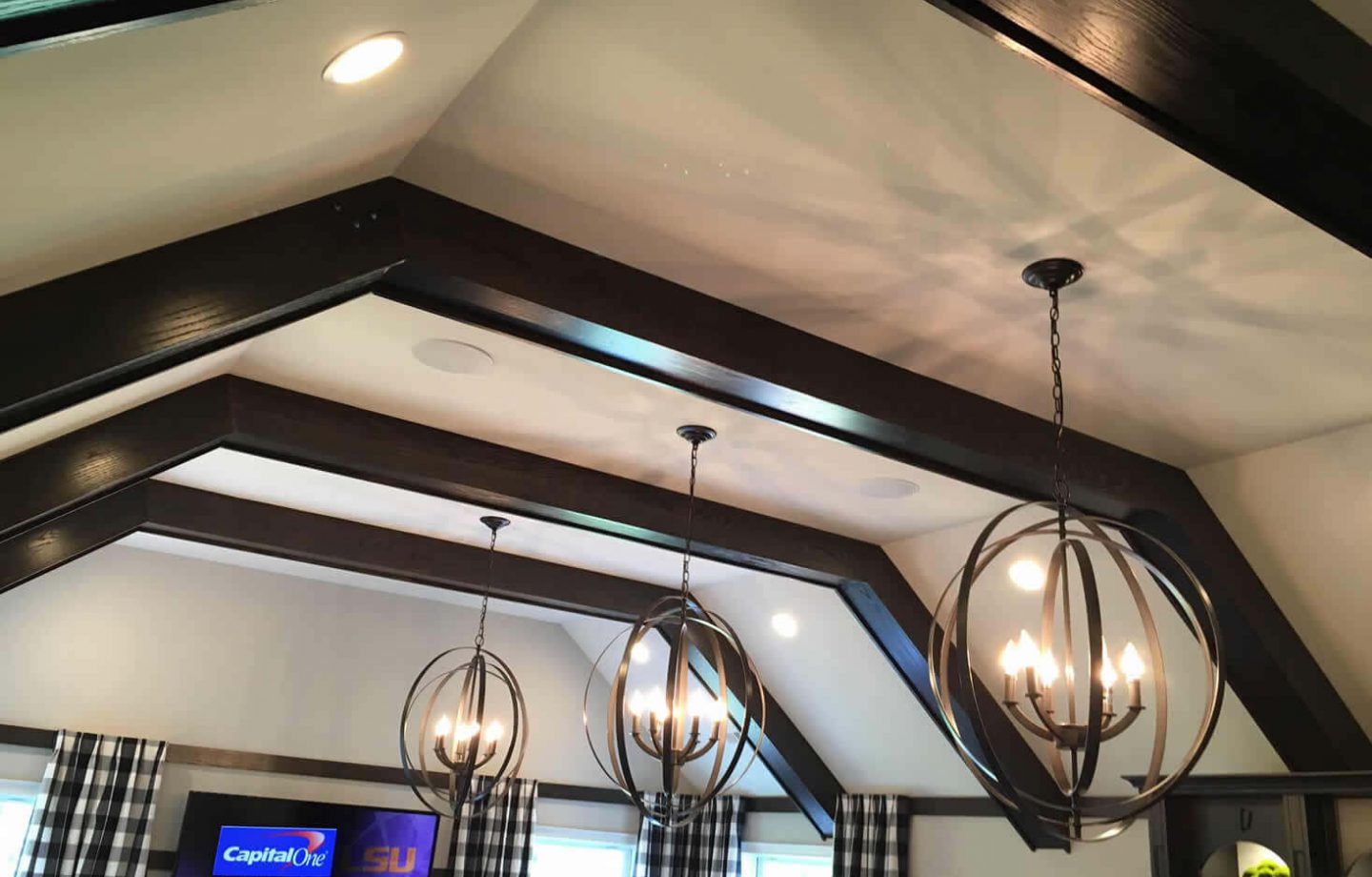
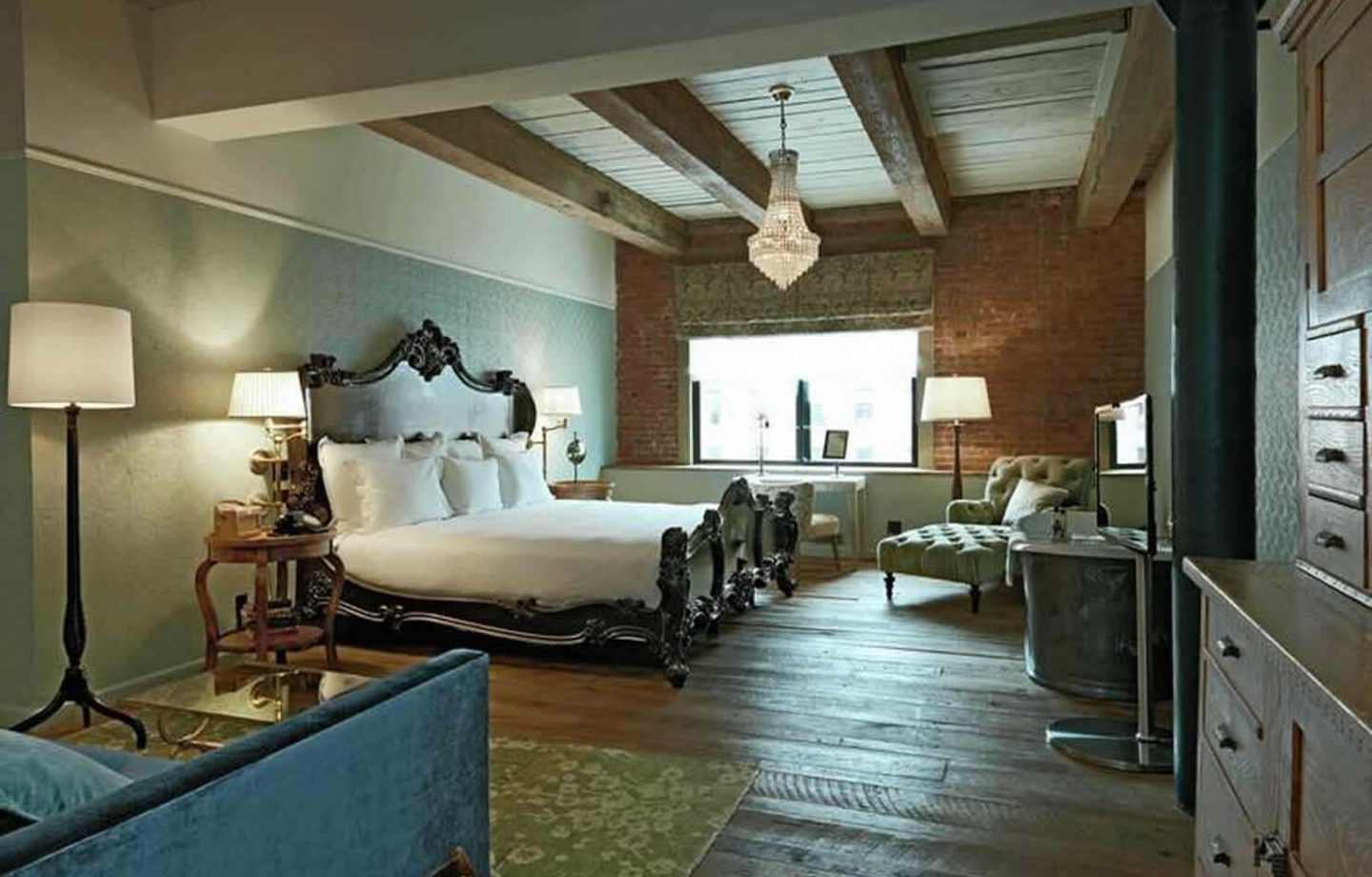
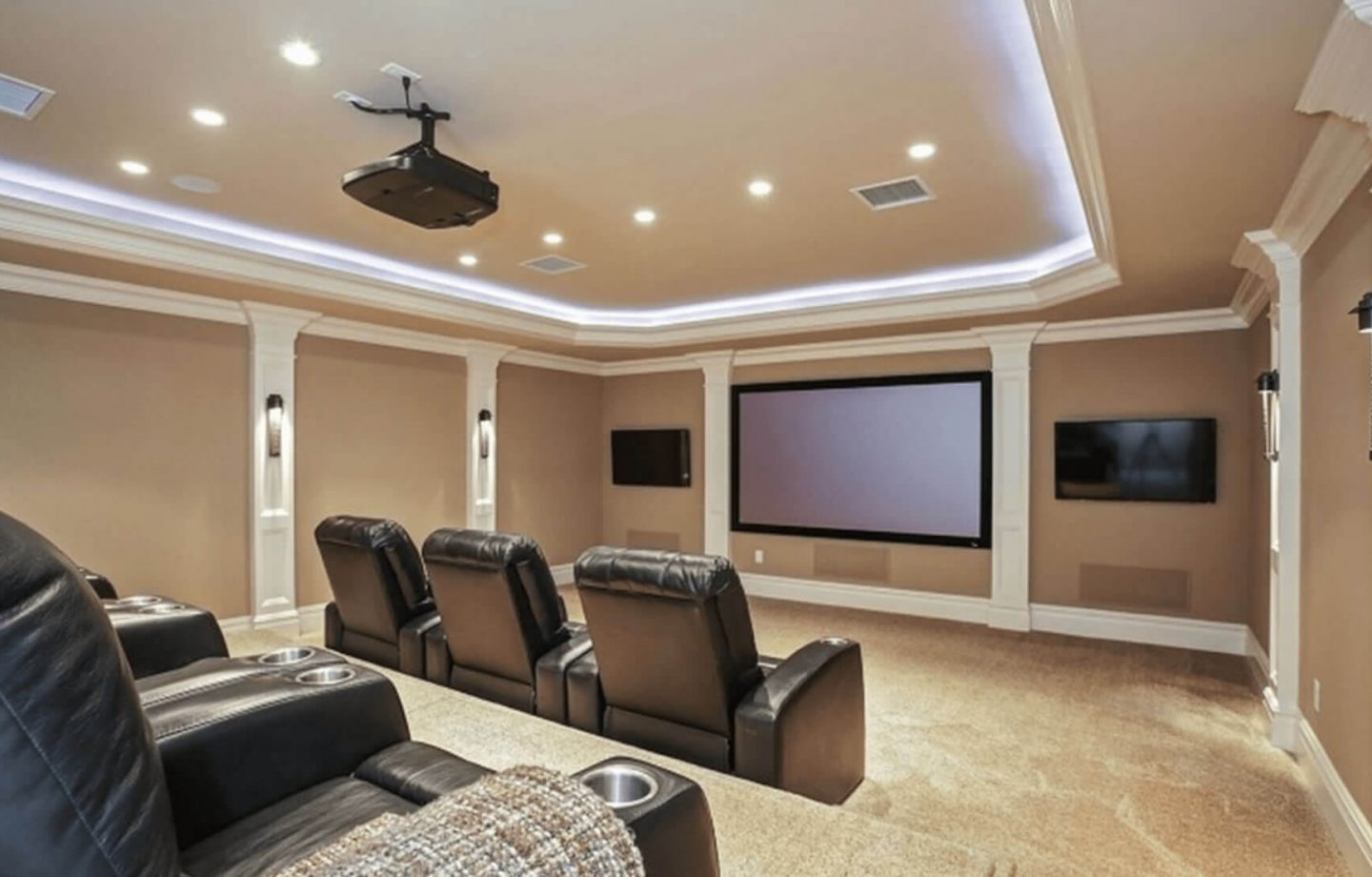
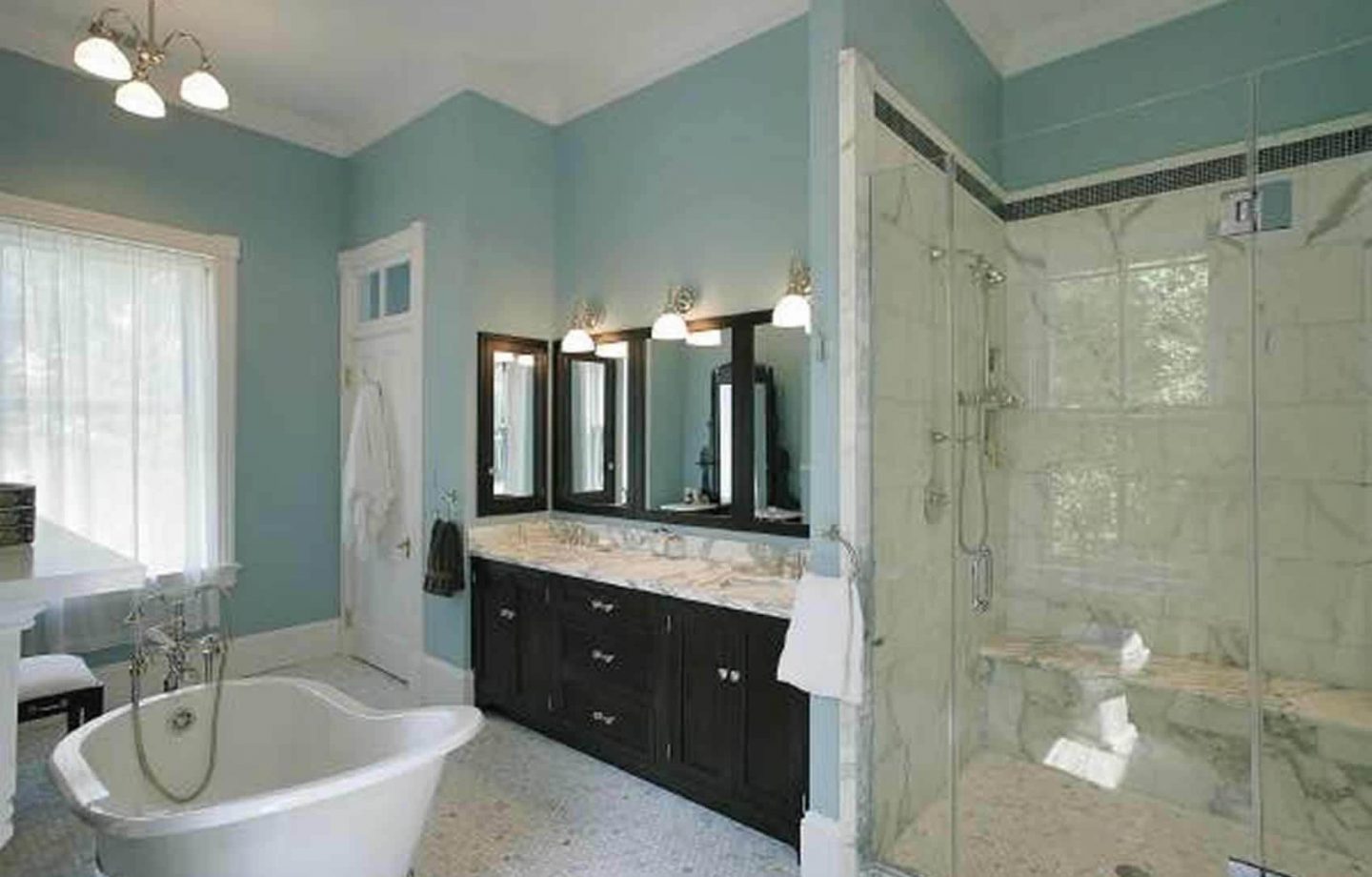
A lot of homeowners hear finish carpentry and think only of baseboards or crown molding. Those details matter, but true custom work goes much further. It can include door and window casings, custom moulding, built-in shelving, fireplace surrounds, stair and railing trim, wainscoting, coffered ceilings, paneling, closet features, decorative wall details, and precise door installation.
The word custom is the important part. Stock trim can work in some homes, especially when the goal is a clean update on a tighter budget. But many houses have uneven walls, older framing, settled floors, and room layouts that do not cooperate with off-the-shelf solutions. Custom finish carpentry is how those conditions get handled the right way instead of covered up badly.
That is especially true in older homes where nothing is perfectly square. You cannot force quality trim work into a crooked opening and hope it looks clean. The carpenter has to read the room, make adjustments, and build for the house that is actually there.
Why finish carpentry makes or breaks a remodel
Homeowners usually focus first on the big-ticket parts of a renovation. Kitchens, bathrooms, flooring, tile, lighting, and paint naturally get most of the attention early on. But the finish work is what pulls those investments together.
Take a kitchen remodel. You can install beautiful cabinetry and stone countertops, but if the crown detail above the cabinets is sloppy or the trim around the windows feels patched together, the room loses impact. In a basement remodel, clean door installation, base trim, and built-ins can make the space feel like a true extension of the home instead of a lower level that was simply closed off and painted.
This is where details carry real value. Finish carpentry affects visual quality, but it also affects function. Doors need to swing correctly. Casings need clean transitions. Built-ins should fit the room and serve how your family lives. Trim should meet flooring, tile, and wall surfaces without obvious gaps or awkward filler pieces.
When the finish work is done right, everything looks more expensive. When it is rushed, even high-end materials can feel cheap.
Custom finish carpentry in Staten Island homes
Custom finish carpentry in Staten Island homes often calls for more problem-solving than homeowners expect. Many properties have a mix of old and new work. You might have an original layout with newer additions, previous renovations done by different crews, or walls and ceilings that have shifted over time. That means finish work cannot be treated like a factory install.
A skilled contractor has to match styles, work around imperfections, and create consistency from room to room. In some homes, the goal is to preserve traditional details and make new work blend in. In others, the goal is to simplify the look with cleaner lines and more modern trim profiles. Neither approach is automatically better. It depends on the house, the scope of the renovation, and how you want the final space to feel.
This is also why homeowners often benefit from hiring a contractor who can handle more than just trim. Finish carpentry touches framing, drywall, flooring, tile, painting, and door installation. If those trades are disconnected, problems show up at the end. If one team is responsible for the whole result, there is less finger-pointing and a lot more accountability.
Where custom work adds the most value
Not every room needs elaborate millwork. Good finish carpentry is not about adding detail for the sake of detail. It is about putting craftsmanship where it has the biggest effect.
Built-ins are one of the clearest examples. A custom media wall, mudroom storage area, home office unit, or window seat can add both function and character. Unlike store-bought furniture, built-ins use the exact dimensions of the room, which matters in tighter spaces and awkward layouts.
Door installation is another area where quality shows immediately. A door that rubs, sticks, swings open on its own, or has uneven reveals around the frame becomes a daily annoyance. A properly installed interior door looks simple, but it takes precision to get it right.
Trim packages also make a major difference. Baseboards, crown molding, window casings, and panel details create visual structure. In open floor plans, they help define spaces without closing them off. In more traditional homes, they reinforce the architectural style and stop renovated areas from feeling disconnected from the rest of the house.
Staircases deserve attention too. Railings, posts, skirt boards, and trim transitions do more than finish a stairwell. They sit in a high-traffic, high-visibility part of the home. If that work is weak, it stands out fast.
What separates quality finish carpentry from average work
A homeowner does not need to know every trade term to spot the difference between careful work and rushed work. The signs are usually right in front of you.
Quality finish carpentry starts with tight joints, smooth transitions, and consistent lines. You should not see obvious gaps, misaligned corners, rough filler, or strange trim pieces added to hide bad measurements. Profiles should match, doors should operate properly, and built-ins should feel integrated instead of dropped in.
Just as important is how the contractor approaches the job before installation starts. Good finish work depends on planning. Measurements need to be exact. Material choices should fit the style of the home and the conditions of the room. If walls are out of square or ceilings are uneven, those issues need to be addressed honestly, not ignored until the last minute.
Cleanliness matters too. Finish carpentry is detailed work, and a sloppy worksite usually points to a sloppy mindset. Homeowners inviting a crew into their house want craftsmanship, but they also want respect for the property.
Why one accountable contractor matters
There is a real advantage in working with a contractor who can manage the full renovation and the final detail work under one roof. Finish carpentry does not live in a vacuum. It depends on the framing being right, the drywall being clean, the flooring elevations being considered, and the overall plan making sense from the beginning.
If one company handles the remodel from demo through finish, there is a clearer standard for the final product. That means fewer delays, fewer excuses, and better coordination between phases. It also gives homeowners one point of contact instead of trying to manage multiple trades on their own.
For many families, that is the difference between a stressful project and one that actually feels under control. Clean Sweep Contracting built its reputation on that kind of ownership, where the job is not just started and handed off, but carried through with attention to detail.
Choosing the right finish carpentry approach for your home
The best finish carpentry plan depends on your goals, your house, and your budget. Some homeowners want statement details in a main living area and simpler finishes elsewhere. Others want consistency throughout the home, especially during a whole-house renovation. There is no single right answer.
What matters is choosing details that fit the property and will still look right years from now. Oversized trim can be beautiful in one room and feel forced in another. Decorative wall treatments can add value when they are proportioned well, but they can also make a smaller room feel crowded. Custom built-ins are a smart investment when they solve a storage or layout issue, not just when they fill an empty wall.
A good contractor will walk you through those trade-offs honestly. Not every idea needs to be upsold. Sometimes the smartest move is a cleaner, simpler finish executed extremely well.
When you invest in finish carpentry, you are paying for more than woodwork. You are paying for the last layer of judgment, precision, and pride that people see and use every day. If you want your home to feel complete, not just renovated, that is the part worth getting right.