



A basement can be the biggest missed opportunity in a house. It is square footage you already own, but too often it sits half-finished, damp, dark, or packed with storage bins. So when homeowners ask, does basement remodel add value, the honest answer is yes – but only when the work makes the space more usable, more comfortable, and more appealing to future buyers.
That last part matters. A basement remodel is not automatic value. If it feels like an afterthought, if moisture issues are ignored, or if the layout does not fit how people actually live, the return drops fast. The best basement projects earn their keep because they solve a real problem in the home. They create room for family life, guests, work, or recreation without the cost of a full addition.
Does basement remodel add value in real life?
In real life, buyers do not walk into a finished basement and calculate exact percentages. They react to how the house feels. If the basement gives them a clean, bright, useful level they can picture using right away, that helps the home stand out. If it feels low-end, musty, or overly customized, the value gets murkier.
A good basement remodel usually adds value in two ways. First, it improves daily living for the current homeowner. Second, it makes the property more marketable when it is time to sell. Those are not always the same thing, but the strongest projects do both.
For example, a basement with proper lighting, durable flooring, finished walls, solid trim work, and a smart open layout tends to appeal to a wide range of buyers. A basement built around one narrow use, like a highly specialized game room or an oversized wet bar that takes over the entire floor, may impress some people and turn off others.
What actually drives basement value
The biggest driver is function. A finished basement should feel like an extension of the home, not a leftover space below it. That means comfortable temperatures, proper insulation, clean finishes, and a layout with a clear purpose.
Condition is just as important. Before anyone cares about paint color or flooring style, they will notice signs of water, uneven surfaces, bad odors, or sloppy workmanship. A basement remodel built on top of existing issues is not adding value – it is hiding problems. Serious buyers and home inspectors usually catch that.
Ceiling height can also affect value. If the basement feels cramped, no amount of cosmetic work fully changes that. On the other hand, when the ceiling height is decent and the design keeps the space open and well lit, the basement feels much more like true living area.
There is also the matter of legality and safety. If you are adding a bedroom, bathroom, or separate living area, permits and code compliance matter. Egress requirements, electrical work, plumbing, and ventilation are not details to gloss over. Work done the right way protects the homeowner now and avoids headaches later.
The basement features buyers respond to
Not every upgrade carries the same weight. Buyers usually respond best to improvements that feel practical and move-in ready.
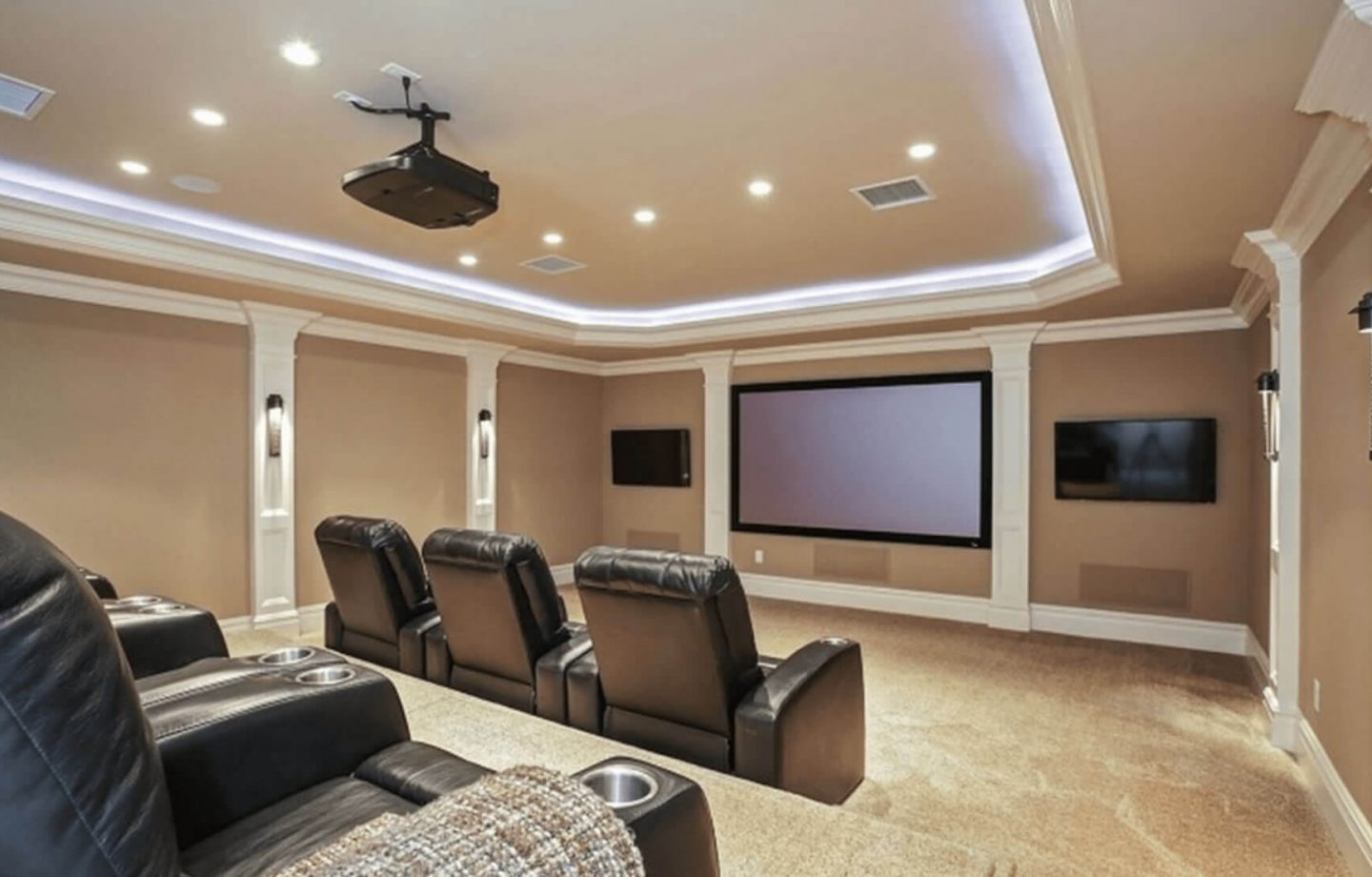
A clean family room or bonus living space is often the safest value play because it gives buyers flexibility. One family may use it for movie nights, another for kids, another for a home office setup. Flexibility helps resale because it invites more people to imagine themselves in the space.
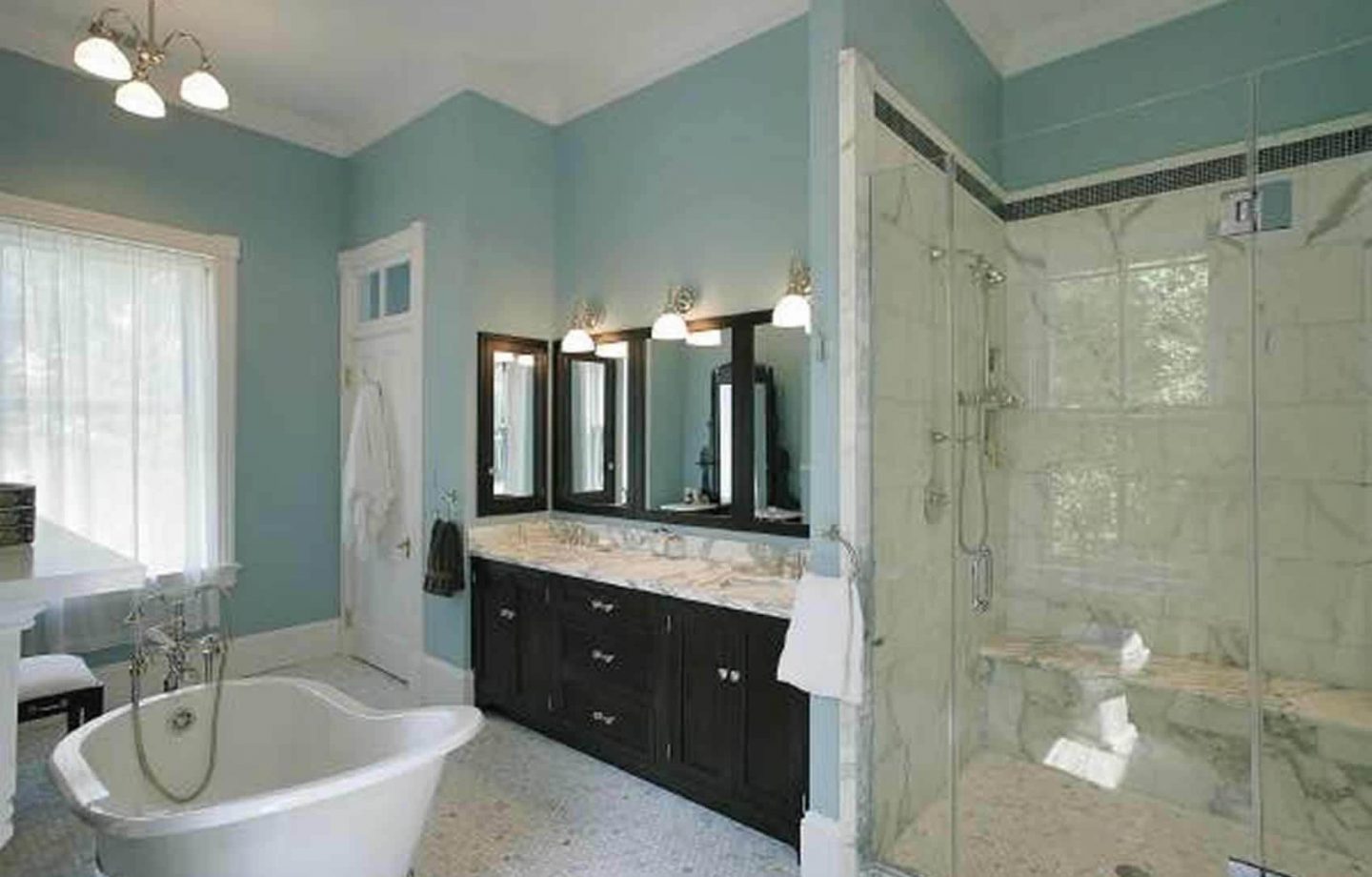
A basement bathroom can also be a strong addition, especially in a busy household. It makes the lower level more independent and more convenient. If the basement is being used regularly, a bathroom stops it from feeling like a secondary zone.
Laundry room upgrades are less glamorous, but they matter. A basement that includes a well-finished laundry area with storage, lighting, and clean mechanical organization feels cared for. Buyers notice that kind of order.
Storage also counts. A fully finished basement should not erase practical storage space. The smartest remodels strike a balance between living area and organized utility zones.
When a basement remodel adds less value
This is where homeowners can make expensive mistakes. If the remodel is too customized, too cheap, or too disconnected from the rest of the house, the return can shrink.
A basement finished with bargain materials may look fresh on day one but age badly. Low-end flooring, poor trim installation, uneven framing, or shortcuts around moisture control will show up fast. Buyers may not know every technical detail, but they can feel when a space was built to last and when it was rushed.
Overbuilding is another issue. If the basement ends up far more expensive or elaborate than the rest of the home, it may not raise the sale price enough to match the investment. That does not mean you should cut corners. It means the finish level should make sense for the house and the neighborhood.
Then there is the layout problem. Chopping the basement into too many small rooms can make it feel darker and smaller. Most homeowners get better value from an open, adaptable design than from a maze of tight partitions.
Does basement remodel add value in Staten Island homes?
In many Staten Island homes, a basement can carry real day-to-day value because families often need more room without leaving the neighborhood they already love. A well-planned basement can become the extra living space that keeps a home working for years longer.
That is especially true when the remodel respects the realities of local housing stock. Older homes may come with moisture concerns, dated finishes, awkward mechanical layouts, or lower ceilings. Those conditions do not make a remodel a bad idea. They just mean the work has to be handled with experience and attention to detail.
This is where homeowners benefit from working with a contractor who understands how to build the space properly from the ground up, not just make it look finished on the surface. A basement only adds value when the structure, prep, and finish work all support each other.
Remodel for resale or remodel for living?
The best answer is usually both, but if you have to lean one way, remodel for how you actually live. If your family needs a play area, guest zone, TV room, home office, or cleaner laundry setup, that daily value is real. Even if you do not recover every dollar at resale, you may still get years of use that justify the investment.
At the same time, it makes sense to avoid choices that hurt future appeal. Keep finishes clean and timeless. Build with durability in mind. Think about lighting, storage, and easy maintenance. Give the space personality if you want, but do not design it so narrowly that the next buyer has to undo it.
That middle ground is usually where the strongest returns happen. You enjoy the basement now, and it still helps the house later.
How to make sure the remodel is worth it
Start with the bones of the space. Address any water intrusion, insulation gaps, air quality concerns, or outdated systems first. A finished basement is only as good as what sits behind the walls.
Then focus on a layout that feels natural. Make sure people can move through the space easily. Use lighting to fight the typical basement darkness. Choose materials that can handle below-grade conditions and regular wear.
Most of all, do not treat the basement as a lower-priority part of the house. If the craftsmanship drops off downstairs, people notice. Strong framing, clean tile work, solid flooring installation, sharp trim, and careful paint work all affect whether the basement feels like true living space.
That is one reason many homeowners prefer an A-to-Z contractor instead of juggling separate crews. When one team handles the work with accountability from start to finish, the result is usually tighter, cleaner, and better aligned.
The bottom line on basement value
So, does basement remodel add value? In most cases, yes – if the remodel creates usable space, solves existing issues, and is finished with quality that buyers can see and homeowners can feel every day.
A basement is not just extra square footage. Done right, it becomes a real part of the home. And when a home feels bigger, works better, and shows real care in the details, that value tends to follow. If you are thinking about finishing your basement, make the goal bigger than resale alone. Build a space that earns its value every time you walk downstairs.