

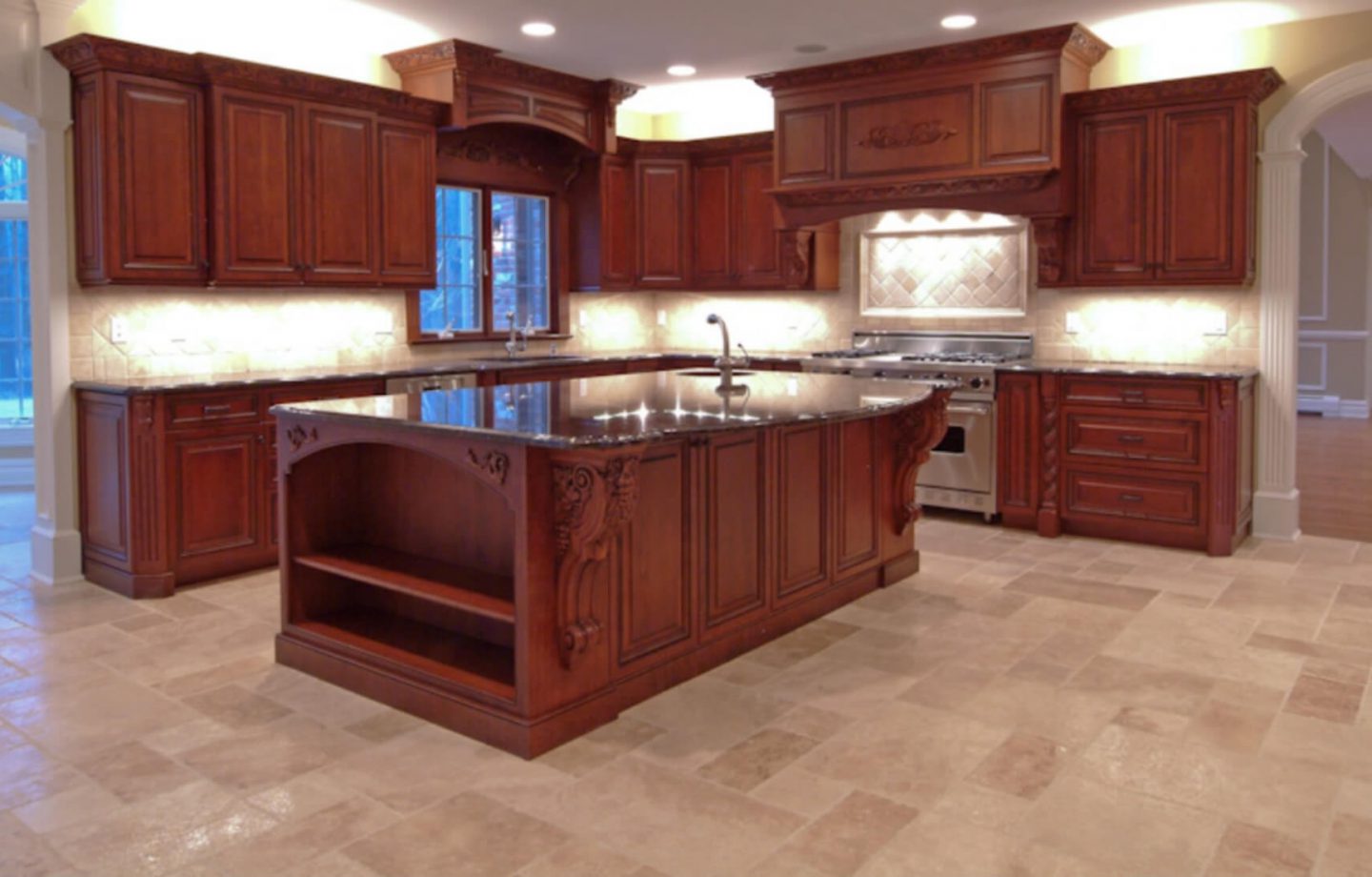


A kitchen can look beautiful in a showroom and still be frustrating to use every single day. The problem usually is not the cabinet color or the countertop material. It is the layout. If you are figuring out how to design kitchen layout plans for a remodel, the smartest place to start is with how you actually live in the space, not just how you want it to photograph.
A good kitchen layout should make cooking easier, cleanup faster, storage more practical, and traffic less annoying. It should also fit the bones of your house. In many homes, especially older ones, that means working around structural walls, windows, plumbing locations, and tight footprints. Great design is not about forcing a trend into the room. It is about making the room work hard for your family.
How to design kitchen layout around real life
Before you pick cabinets or appliances, take a hard look at how your kitchen gets used. Some families cook every night and need serious prep space. Others need room for quick breakfasts, school bags, and constant in-and-out traffic. Some homeowners entertain often and want the kitchen open to the rest of the house. Others care more about storage and easy cleanup than social space.
That is why layout decisions should begin with habits. Think about who cooks, how many people are usually in the kitchen, whether kids do homework at the counter, and where groceries tend to pile up. These details matter more than people expect. A kitchen that looks clean on paper can feel crowded fast if it ignores everyday movement.
You also want to be honest about pain points in the current setup. Maybe the dishwasher door blocks a walkway. Maybe the fridge is too far from the main prep area. Maybe there is never enough landing space near the range. Those are layout problems, and fixing them early can change the whole experience of the room.
Start with the work zones
For years, people talked about the kitchen triangle – sink, stove, and refrigerator. That idea still has value, but most modern kitchens work better when you think in zones. The prep zone, cooking zone, cleanup zone, and storage zone all need to connect in a practical way.
The sink usually anchors the cleanup zone, and in many homes it also supports food prep. The range or cooktop needs breathing room on both sides if possible, so hot pans are not landing in awkward spots. The refrigerator should be easy to reach without forcing people through the main cooking path every time they grab milk or leftovers.
Dry goods, dishes, utensils, trash, and small appliances should also live where they make sense. Putting every cabinet in the room to use is not the same as putting it to use well. If plates are stored far from the dishwasher, or pots are nowhere near the range, you will feel that disconnect every day.
Choose the right layout for the room
There is no single best kitchen layout. The right choice depends on square footage, wall locations, and how open or closed you want the room to feel.
A galley kitchen can be extremely efficient, especially in narrower homes. Everything stays within reach, and if the aisle is sized properly, it can be one of the best layouts for serious cooking. The downside is that it can feel tight if multiple people are trying to move through at once.
An L-shaped kitchen works well in many homes because it opens the room and gives flexibility for a table or island. It is often a smart option when you want the kitchen connected to an adjacent living area without losing cabinet space.
A U-shaped kitchen gives strong storage and counter coverage. It is practical and hardworking, but it needs enough room so the space does not feel boxed in. In smaller kitchens, too much cabinetry can make things feel cramped.
A one-wall kitchen is common in apartments, smaller homes, and open layouts. It can look clean and modern, but it demands careful planning because every inch matters. Tall pantry storage and smart cabinet organization become more important here.
An island kitchen can be a great upgrade, but only if the room supports it. People often want an island because it looks high end, but forcing one into a tight floor plan can hurt flow more than it helps. If walkways get squeezed, the kitchen becomes harder to use.
How to design kitchen layout with proper spacing
Spacing is where good plans separate from expensive mistakes. You can buy great finishes and still end up with a kitchen that feels off if the clearances are wrong.
Walkways need room for doors, drawers, appliances, and people. The dishwasher, oven, refrigerator, and trash pullout should all be able to open without creating a traffic jam. If two people cook together, aisle width matters even more. So does access to the sink and fridge.
Landing space is another detail that gets overlooked. You want counter space near the refrigerator for unloading groceries, near the oven for hot dishes, and near the sink for prep work. These are small decisions on a drawing and major quality-of-life issues once the kitchen is built.
This is also where professional planning helps. On paper, a cabinet shift of a few inches may not look like much. In real life, it can be the difference between comfortable movement and daily frustration.
Keep plumbing, electric, and structure in mind
Homeowners often start with the dream layout and then run into the reality of the house. Moving a sink, relocating a gas line, taking down a wall, or adding new lighting can absolutely be worth it, but each move affects budget and timeline.
If your current kitchen footprint already works reasonably well, keeping the sink and major appliances in roughly the same locations can control costs. That does not mean you cannot improve the layout. Often, better cabinet design, smarter storage, and cleaner appliance placement can make a huge difference without rebuilding everything from scratch.
On the other hand, if the kitchen has serious flow issues, a bigger rework may be the right call. Opening a wall, adding an island, or rethinking the entrance path can transform the space. The key is knowing where the investment creates real function and where it is just extra construction.
In older homes around Staten Island, that judgment matters. Existing framing, uneven floors, and older utility runs can all affect what makes sense. A layout should look good, but it also has to respect the house.
Storage should support the layout, not fight it
A kitchen never feels organized if storage is an afterthought. Good layout design includes where everyday items will actually go. That means thinking beyond upper and lower cabinets.
Deep drawers near the range are usually more useful than standard base cabinets for pots and pans. A pantry area near the fridge helps with grocery storage. Trash and recycling should be close to prep space, not tucked into a random corner. Dish storage should make unloading the dishwasher simple.
This is also where custom touches can pay off. Spice pullouts, tray dividers, built-in organizers, and smart corner solutions are not just extras if they solve a real problem. But not every kitchen needs every insert on the market. The best storage choices come from how the homeowner uses the space.
Lighting and seating affect the layout too
Layout is not only about cabinets and appliances. Lighting and seating shape how the room works. If you want an island with seating, make sure there is enough space to sit comfortably without blocking the main path. If you need the kitchen table to double as homework space, that changes how traffic should flow.
Lighting needs to match the work zones. Prep space should be well lit. The sink should not sit in a shadow. Decorative fixtures matter, but task lighting is what makes the room easier to use day after day.
A good kitchen should feel comfortable at 7 a.m. on a weekday and still work when the house is full on a weekend. That balance does not happen by accident.
When to bring in a contractor early
If you are serious about remodeling, layout planning should happen before materials get locked in. Too many homeowners fall in love with cabinets, tile, or a giant island before checking whether the room can support those choices.
An experienced contractor can help spot issues early, whether that is a conflict with door swing, limited clearance, plumbing restrictions, or a layout that looks better than it functions. That kind of input saves time, money, and aggravation later.
For a full renovation, it also helps to have one team looking at the whole picture. Layout affects framing, flooring, tile, electrical, plumbing, trim, and finish work. When those pieces are coordinated from the start, the kitchen tends to come together cleaner and with fewer surprises.
If you are planning a remodel and wondering how to design kitchen layout options that will hold up in real life, focus on function first, be honest about your space, and build around the way your household actually moves. A kitchen should not just impress people for five minutes. It should make your home easier to live in for years.