



A kitchen with worn cabinets, a leaking bathroom, or original woodwork buried under decades of paint can all make a homeowner ask the same question: renovation vs restoration – which one is the right move? The answer is not simply about how old the house is. It comes down to what you want the space to do, what is worth preserving, and what the structure will realistically support.
For many homes in Staten Island and the surrounding area, the best project is not purely one or the other. It may mean restoring the details that give the home character while renovating the rooms that need better layout, safer systems, and modern-day function. A good decision starts with being clear about the goal before demolition begins.
Renovation vs Restoration: The Core Difference
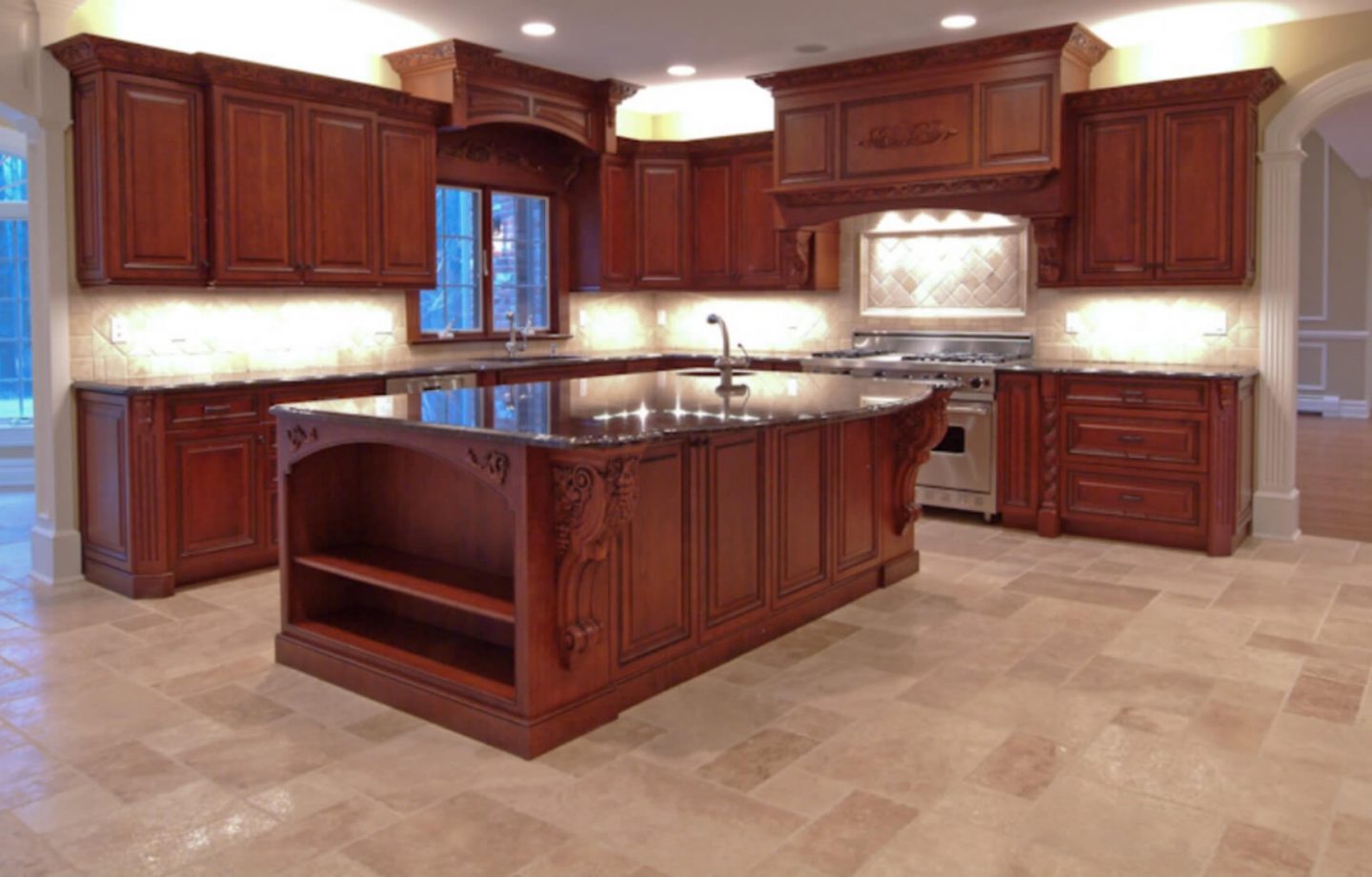
A renovation changes or improves an existing space. The goal is usually better function, comfort, appearance, or efficiency. Renovating a kitchen might involve opening a wall, moving appliances, replacing cabinetry, installing new flooring, updating electrical, and adding better lighting. The finished room does not need to look like it did when the house was built. It needs to work for the people living there now.
Restoration takes a different approach. Its purpose is to return a home or feature as closely as possible to an earlier condition, often using materials, profiles, techniques, and design details that match the original work. Restoring a staircase, for example, may involve repairing original treads, matching a historic handrail profile, stripping inappropriate paint layers, and preserving details that cannot be replaced with an off-the-shelf product.
That distinction matters because the scope, budget, materials, and labor are different. Renovation gives you more freedom to change. Restoration asks you to work carefully within the home’s original language.
Neither approach is automatically better. A 1920s home with solid original millwork may deserve restoration in the entryway and living room, while its cramped kitchen may benefit from a full renovation. The right plan respects the house without forcing a family to live with a layout that no longer serves them.
When Renovation Is the Better Choice
Renovation is usually the practical choice when the current space has clear functional problems. Maybe the bathroom has water damage behind old tile, the basement needs to become usable living space, or the kitchen has poor storage and no room for a growing family. In these cases, preserving every original finish may cost more while delivering less value to daily life.
A renovation can also address systems hidden behind the walls. Older homes may have outdated wiring, aging plumbing, insufficient insulation, uneven framing, or past repairs that were never done correctly. New paint and finishes will not solve those problems. Opening the work area, correcting the underlying condition, and rebuilding it properly is often the smarter investment.
Homeowners should not confuse renovation with taking shortcuts. A strong renovation begins with planning: measuring the room, defining the new layout, identifying structural needs, selecting materials, and establishing where the project begins and ends. Good finish work only looks good for the long term when the preparation behind it is solid.
When Restoration Is Worth the Extra Work
Restoration makes sense when original elements are a major part of the home’s value and appeal. Think detailed crown molding, plaster medallions, solid wood doors, built-ins, stonework, railings, hardwood floors, or a front entry with craftsmanship that would be expensive to recreate today.
In many cases, restoration is not about making an old feature look brand new. It is about repairing it honestly and preserving its character. Old wood floors may have marks that tell the story of the house. Original doors may have minor imperfections but still be straighter, heavier, and more durable than replacement options. Keeping these features can give the finished home depth that new materials alone cannot provide.
Restoration requires patience and careful judgment. Once original material is removed, it may be gone for good. Before replacing trim, doors, flooring, or stone, it is worth checking whether the item can be repaired, refinished, reinstalled, or used as a template for a matching piece.
There are limits, though. If original materials are severely rotted, unsafe, contaminated, or damaged beyond responsible repair, replacement may be necessary. Preserving a feature at any cost is not always the right call. Safety, water control, structural integrity, and daily use come first.
Start With the Home, Not the Finish Selection
The biggest mistake homeowners make is choosing cabinets, tile, or paint before understanding the condition of the room. Beautiful materials cannot overcome water intrusion, poor framing, an uneven subfloor, or electrical work that needs upgrading.
Before deciding between renovation and restoration, look at the full picture. How old is the home? Has the room been altered before? Are there signs of moisture, cracks, settlement, or soft flooring? What must be brought up to current code as part of the work? And just as important, how do you actually use the space?
A formal dining room that sits empty may be a candidate for renovation into a home office or expanded kitchen. On the other hand, a living room with original paneling and custom trim may be worth preserving because it is central to the home’s identity. The decision should be based on both condition and lifestyle, not just what is currently popular online.
Budget, Timeline, and the Surprise Factor
Restoration can be more expensive than renovation because it often involves detailed labor, material matching, custom fabrication, and careful removal. A contractor may need to save existing pieces, strip finishes in stages, repair rather than replace, or create new trim to match profiles no longer sold in stores.
Renovation can also become complex quickly, especially when walls move or mechanical systems are involved. The cost is not just the new tile or cabinets. It includes demolition, disposal, framing, plumbing, electrical, insulation, drywall, flooring, trim, paint, and the coordination needed to bring those pieces together.
Older houses carry another reality: surprises. Opening a wall can reveal old water damage, unsupported framing, hidden pipes, outdated wiring, or layers of previous work. That does not mean an older-home project is a bad idea. It means the budget and schedule should include reasonable room for conditions that could not be seen during the first walkthrough.
The most dependable way to control surprises is not to pretend they cannot happen. It is to build a clear scope, document decisions early, and work with a contractor who communicates when a condition changes the plan.
Blending Both Approaches Can Produce the Best Result
Many successful projects combine renovation and restoration. A homeowner may restore original oak flooring and stair railings while renovating a dated kitchen. They may preserve a brick fireplace while rebuilding the surrounding living room for better storage and lighting. They may retain original interior doors but update the bathrooms, plumbing, and electrical systems behind them.
This balanced approach often protects the features that make a home feel personal while fixing the issues that make it frustrating to live in. It also helps prioritize spending. Put the budget where quality and craftsmanship will be seen, touched, and relied on every day, while making practical decisions in areas where original material adds little value.
Clean Sweep Contracting approaches these decisions as an A-to-Z project, from repairing the conditions behind the walls to delivering the detailed finish work that homeowners see when the job is complete. That matters when one project involves framing, tile, flooring, custom molding, doors, paint, and careful protection of existing features.
Ask the Right Questions Before Work Begins
Before committing to a plan, ask what you are trying to preserve and why. Is the feature structurally sound? Does it have real architectural value, or is it simply old? Will restoring it support how your family uses the house? What will need to change behind the walls? And if a hidden condition appears, who will explain the options and handle the next step?
Those questions lead to better decisions than choosing between “old” and “new.” They help create a home that is safe, functional, well-built, and still true to the parts of the property that matter most. Whether your project calls for a fresh start or careful preservation, the best result comes from a clear plan and craftsmanship that respects the work from the first protective covering to the final cleanup.