



If you’re planning a bathroom remodel, the tile shower versus acrylic surround question usually comes down to one thing – what kind of result you want to live with every day. Both can work. Both can look good. But they serve different priorities, and the right choice depends on your budget, your timeline, and how long you want the shower to hold up.
A lot of homeowners start out thinking tile is the premium option and acrylic is the budget option, end of story. Real jobs are not that simple. We have seen bathrooms where an acrylic surround made perfect sense because the goal was speed, clean lines, and low maintenance. We have also seen tile become the better investment because the homeowner wanted a custom layout, stronger visual impact, and a shower built to match the rest of a full renovation.
Tile shower versus acrylic surround: the real difference
The biggest difference is not just the finish you see. It is how the entire shower is built and what that means for appearance, labor, repairs, and lifespan.
Acrylic surrounds are manufactured wall panels, usually installed as a multi-piece system around a tub or shower base. They are designed for fast installation and easy cleaning. Tile showers are built on site, with substrate prep, waterproofing, tile layout, grout, and finishing details all handled piece by piece. That makes tile more flexible and often more attractive, but it also means the quality of the finished product depends heavily on the skill of the installer.
This is where homeowners can get tripped up. A poorly built tile shower can become a problem fast. Bad waterproofing, uneven tile, weak grout lines, or sloppy transitions around fixtures can turn a good-looking idea into an expensive repair. Acrylic, by comparison, removes a lot of that risk because the system is simpler. Fewer joints usually mean fewer places for water and mildew to cause trouble.
Cost is not just the sticker price
If your first question is price, acrylic usually comes in lower. Material costs are often lower, and labor is almost always less because the install moves faster. For a homeowner trying to refresh a bathroom without stretching the budget too far, that matters.
Tile generally costs more because there are more steps involved. Demolition, wall prep, waterproofing, layout, cutting, setting, grouting, sealing when needed, and detail work all add time. If you choose specialty tile, niches, benches, decorative trim, or custom shower pans, the cost rises further.
That said, you should think beyond the first invoice. An acrylic surround can be a smart money-saving decision if the bathroom is a secondary bath, a rental, or a practical family space where low maintenance matters more than custom design. Tile can make more financial sense in a primary bathroom remodel where long-term appearance and resale appeal carry more weight.
A cheaper install is not always the better value. A more expensive install is not always overbuilding. It depends on the room, the house, and your goals.
Appearance and design flexibility
This is where tile usually pulls ahead.
With tile, you are not locked into a handful of standard panel looks. You can go classic subway tile, large-format porcelain, stone-look finishes, mosaic accents, matte neutrals, or something more custom that ties into the vanity, flooring, and overall style of the bathroom. You also have more control over the size of the shower, the placement of niches, the shape of the curb, and the way everything lines up.
Acrylic surrounds have improved over the years. Some modern options are cleaner and better looking than the old glossy builder-grade units people picture. But they still tend to look more manufactured and less integrated with the rest of a high-end bathroom. If your goal is a custom, polished finish, tile gives you more room to get there.
For many homeowners, that visual difference is the deciding factor. You can update paint, mirrors, and fixtures later. The shower is one of the biggest surfaces in the room. It sets the tone.
Maintenance and day-to-day cleaning
Acrylic has a clear advantage here.
Because the panels are smooth and have fewer grout lines, cleaning is easier. Soap scum still builds up, but routine wipe-downs are simpler, and there are fewer joints to scrub. For busy households, that can be a major plus.
Tile requires more upkeep, especially if there are many grout joints or textured tile surfaces. Grout can discolor, mildew can form in neglected areas, and some materials need sealing. Even when a tile shower is installed correctly, it asks a little more from the homeowner.
This does not mean tile is a maintenance nightmare. It means you need to be realistic. If you want the easiest possible cleaning routine, acrylic is hard to beat. If you are willing to do a little more upkeep for a better look, tile remains a strong choice.
Durability and repair issues
This category is more balanced than people expect.
A well-installed acrylic surround can last for years without major trouble. It resists moisture well, and because it is a finished panel system, there is less opportunity for water to penetrate the surface. But acrylic can scratch, dull over time, or crack if it takes a hard hit. Once damage happens, repairs may be noticeable, and in some cases replacement makes more sense than patching.
A properly built tile shower is extremely durable, especially when the waterproofing behind it is done the right way. Tile itself can hold up for a very long time. If one tile gets damaged, targeted repairs may be possible. But again, the hidden work matters just as much as the visible surface. If the installation behind the tile is poor, durability on the face of the wall will not save the shower.
That is why craftsmanship matters so much with tile. The materials do not carry the job by themselves.
Installation timeline and disruption
If speed is a top priority, acrylic usually wins.
An acrylic surround can often be installed much faster than a custom tile shower. That means less disruption to your home, fewer moving parts, and a quicker path to getting the bathroom back in service. For a household with one main bathroom, that timeline can be a deciding factor.
Tile takes longer because every stage needs to be done in sequence, and some steps require drying or curing time. There is more detail work, more coordination, and more opportunity for delays if the walls are out of plumb or hidden water damage turns up during demolition.
Fast is not always better, but realistic scheduling matters. If you need a dependable turnaround, acrylic has an edge.
Where each option makes the most sense
Acrylic makes a lot of sense in practical remodels. If you are updating a hall bath, fixing up a rental, remodeling on a tighter budget, or prioritizing easy maintenance for a busy family, it can be the right move. It also works well when the goal is a clean, straightforward result without a long construction timeline.
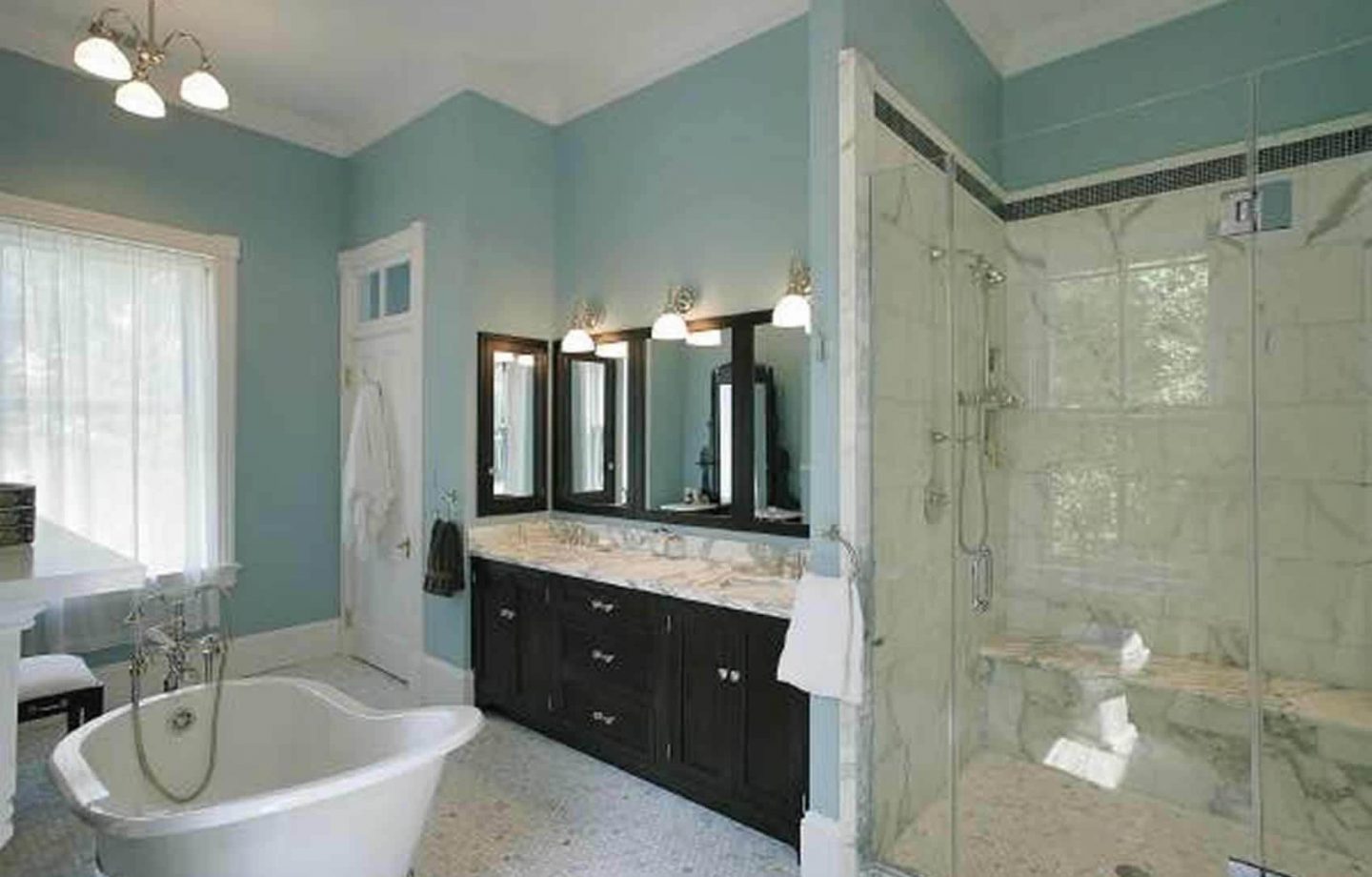
Tile makes more sense when design matters, when the shower is a centerpiece, or when you are already investing in a larger bathroom remodel and want the finishes to match that level of work. In many Staten Island homes, especially older properties with character or layouts that benefit from custom fitting, tile can solve design issues that a standard surround cannot.
That does not mean every bathroom needs tile. It means the shower should match the level of the overall project.
How to decide between tile shower versus acrylic surround
Start with three questions. What is your budget? How much maintenance are you willing to handle? And what kind of look do you want five years from now, not just on install day?
If your answer is lower cost, easier cleaning, and faster completion, acrylic is probably the stronger fit. If your answer is custom appearance, better design flexibility, and a more built-in look, tile is usually worth the added investment.
The best choice is the one that fits the house and the way you actually use it. A good contractor should not push one option every time. They should look at the bathroom, explain the trade-offs clearly, and build the shower the right way from the start.
That is the part homeowners should care about most. Materials matter, but the quality of the installation decides whether your new shower still feels like a smart decision years later.
When you are weighing tile against acrylic, do not just ask which one is better. Ask which one is better for your bathroom, your routine, and the standard of finish you want every time you open that door.