

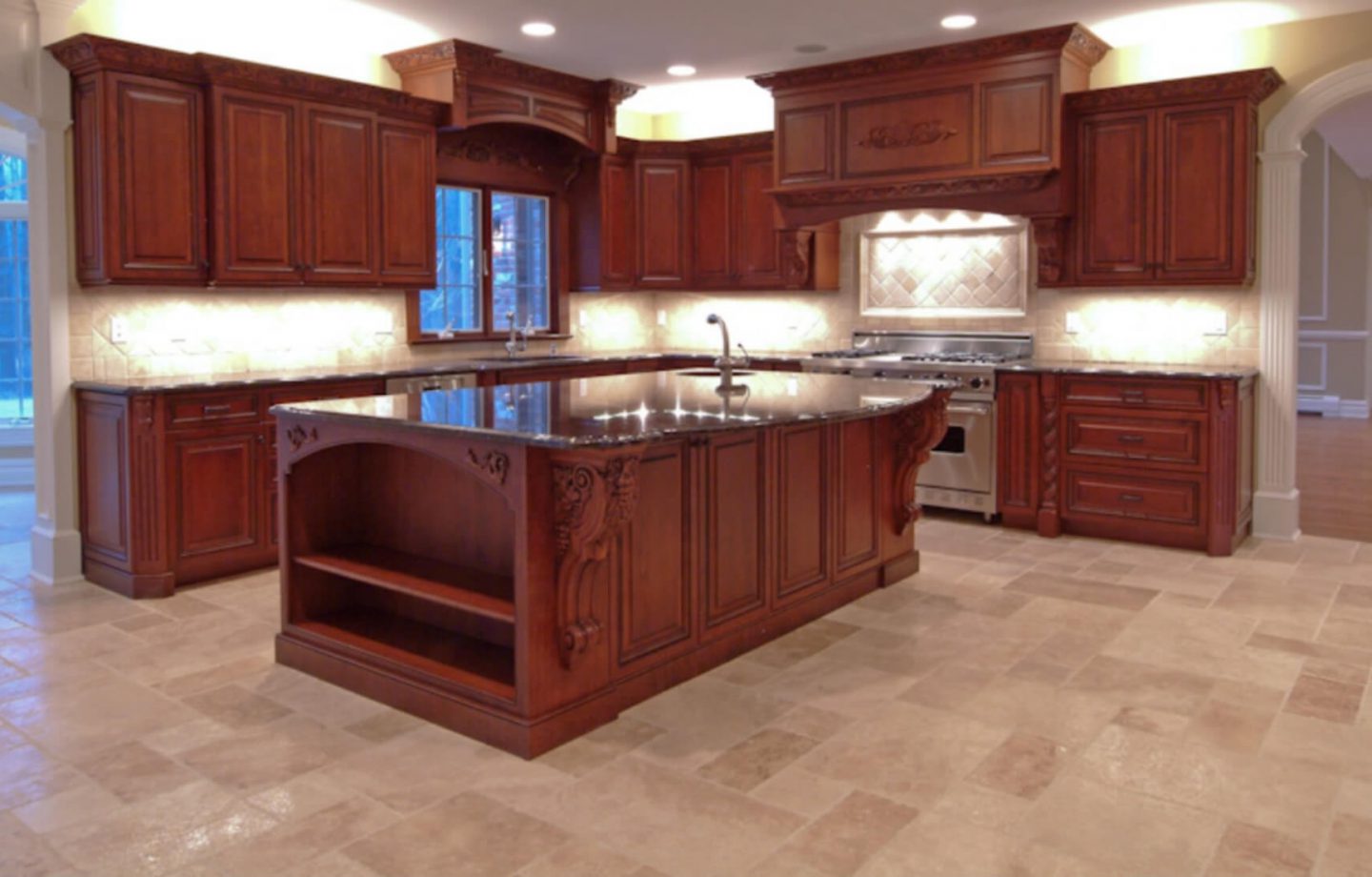


A true basement remodel before after is not just about nicer finishes. It is the difference between a space you avoid and a space that actually works for your family, your storage needs, your guests, or your long-term plans for the house.
That is why the most impressive transformations do not start with paint colors or flooring samples. They start with fixing what made the basement feel unfinished in the first place – poor lighting, moisture concerns, awkward layout, low visual appeal, and a general lack of purpose. When those issues are handled correctly, the after feels like a real part of the home, not an afterthought below it.
What a basement remodel before after really shows
Homeowners often look at before-and-after photos and focus on the obvious visual shift. The dark room becomes bright. Concrete or outdated flooring gets replaced. Exposed framing disappears behind finished walls and clean trim. That matters, but the real story is usually deeper.
A well-done basement remodel changes how the square footage functions. The before is often a catch-all zone with boxes in one corner, old furniture in another, and no clear use. The after has direction. It might become a family room, home office, guest area, gym, playroom, media room, or a combination of those. Good remodeling creates order where there used to be wasted space.
That is also where experience matters. Basements are different from above-grade rooms. Moisture, ceiling height, mechanical access, insulation, lighting, and traffic flow all affect the final result. If those pieces are ignored, the project may look good for a few months and then start showing the truth.
Before: what usually is not working
Most unfinished or outdated basements have the same set of problems, even if the house itself is in good shape. The room feels dim because natural light is limited. Ceiling lines may be broken up by ducts, pipes, or beams. The floor can feel cold. Storage takes over because there is no built-in plan for where things should go.
In some homes, the issue is not that the basement is unfinished. It is that it was finished poorly years ago. Cheap materials, bad layout choices, weak lighting, and visible wear can make a previously remodeled basement feel tired fast. Water staining, musty smells, or soft flooring are red flags that should never be covered over and ignored.
This is where many homeowners get stuck. They know the basement is not living up to its potential, but they are not sure whether the answer is cosmetic updates or a full renovation. The honest answer is: it depends on what is under the surface. Sometimes the framing is solid and the room just needs better finishes and lighting. Other times, the smartest move is to open things up, correct the problem areas, and rebuild it the right way.
The hidden issues behind the “before”
The biggest gap between before and after often comes from work nobody notices once the project is done. Moisture management is a big one. If a basement has had leaks, humidity issues, or poor ventilation, those conditions have to be addressed first.
Then there is insulation and comfort. A basement can look beautiful and still feel cold or damp if the envelope is not handled correctly. Electrical planning matters too. One overhead light in the middle of the room is not enough for a finished living space. The same goes for outlet placement, switch locations, and dedicated circuits if the basement will support office equipment, a wet bar, entertainment systems, or exercise machines.
After: what a good remodel actually delivers
The best after photos show more than fresh materials. They show a room that makes sense. The lighting feels even. The walls, trim, and ceiling details look intentional. Storage is built in or thoughtfully planned. Mechanical systems are either concealed or integrated cleanly so the space feels finished without becoming inaccessible.
A strong basement remodel also creates comfort. That means the room is warm enough in winter, dry enough in summer, and bright enough to use all day. It should feel connected to the rest of the house in quality, even if the design style is simpler.
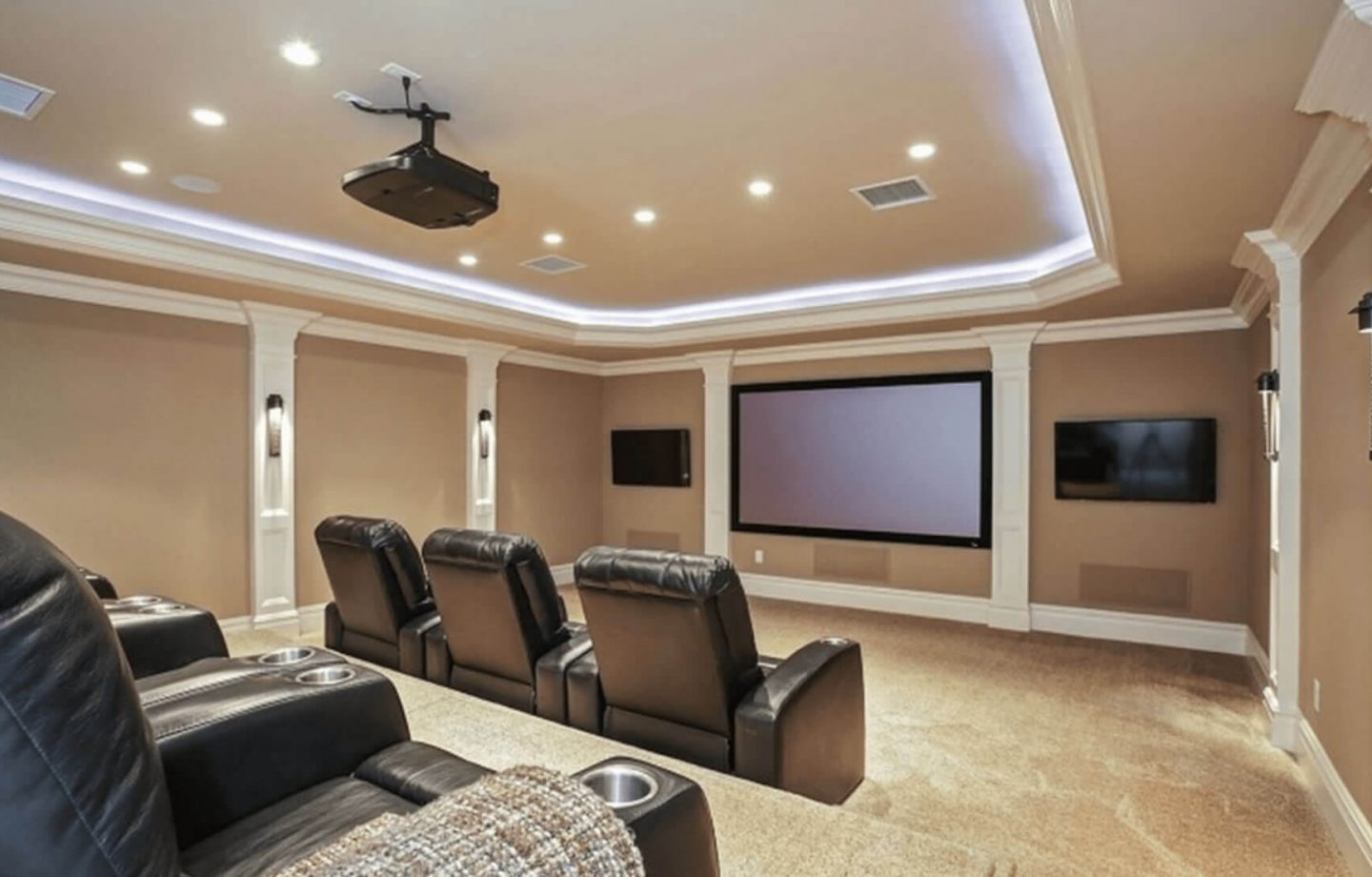
For many homeowners, the biggest payoff is flexibility. A basement does not always need one single use. It can be a family room with custom storage, a quiet office corner, and a guest sleeping area. It can serve daily life now while still supporting resale later. That is one reason basement remodeling has real staying power – it adds usable square footage without changing the footprint of the home.
Basement remodel before after: the details that matter most
If you want a basement to feel like finished living space instead of a dressed-up lower level, a few details make an outsized difference.
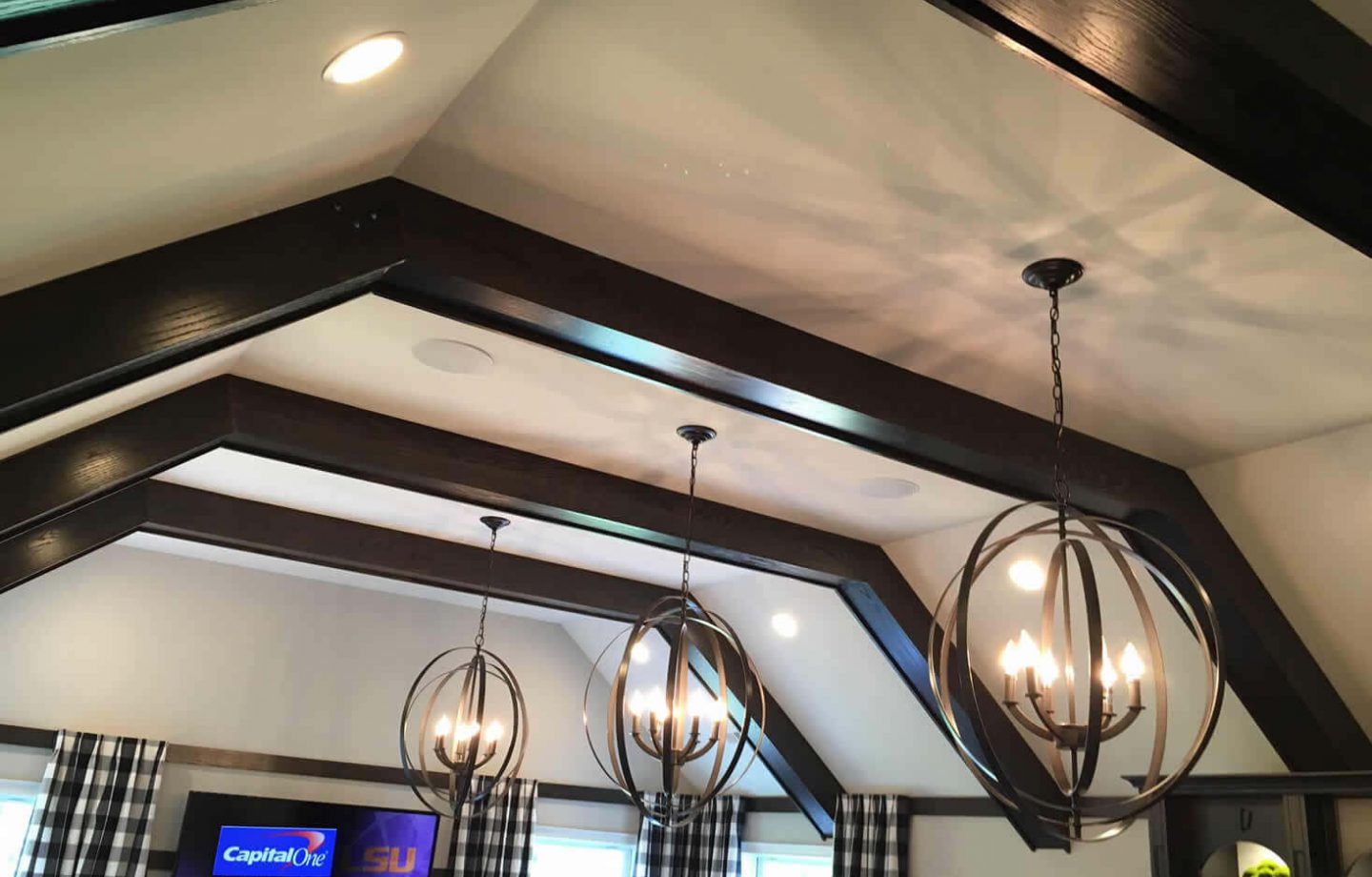
Lighting is near the top of the list. Recessed lighting, layered fixtures, and smart switch placement can completely change how open the room feels. In many basements, better lighting does more for the final result than expensive decorative upgrades.
Flooring is another major piece. It needs to look good, but it also needs to make sense below grade. Durability, moisture resistance, and comfort underfoot all matter. The best choice depends on how the room will be used and whether the basement has a history of moisture issues.
Ceilings deserve more attention than they usually get. A basement with low or interrupted ceiling lines can still feel polished, but the framing and finish work need careful planning. Sometimes a drywall ceiling gives the cleanest result. In other cases, access panels or alternate solutions make more practical sense. This is one of those trade-offs where appearance and future serviceability both matter.
Storage should never be left as an afterthought. In the before stage, clutter often defines the space. In the after stage, built-ins, closets, under-stair storage, and dedicated utility zones help the room stay usable long after the project is complete.
Why layout decisions make or break the result
A basement remodel often succeeds or fails on layout, not decor. The room may have support columns, stair landings, utility areas, and awkward dimensions. Working around those elements is part of the job.
That is why a smart plan separates active space from support space. Mechanical equipment should have proper access. Storage should be easy to reach without taking over the finished area. If the basement includes a bathroom, laundry, or kitchenette, those features need to fit the traffic flow instead of fighting it.
Open layout is popular, but not every basement benefits from being completely open. Sometimes partial walls, framed sections, or custom millwork help define zones without making the room feel chopped up. Families who want a play area, a TV space, and a home office usually need more structure than a wide-open room can provide.
The value side of the transformation
Homeowners usually ask whether a basement remodel is worth it. In many cases, yes – but the reason is not just resale.
A good basement renovation gives back value in daily use first. It relieves pressure on the rest of the house. Kids get more room. Guests have a place to stay. Storage becomes more organized. Remote work becomes easier. The home simply functions better.
Resale value still matters, of course. Buyers notice finished basements, especially when they look clean, dry, well-lit, and professionally built. But a basement that looks flashy and ignores fundamentals can work against you. Savvy buyers notice shortcuts. They notice signs of moisture. They notice when the finish quality downstairs does not match the standard of the rest of the house.
That is why the best return usually comes from balanced decisions. Spend where it counts. Build it for real use. Do not overdesign a basement if the rest of the house is modest, but do not cut corners in the parts that affect durability and comfort.
What homeowners should expect from the process
A basement before-and-after transformation is rarely just a quick cosmetic job. Even straightforward projects involve planning, demolition, framing, electrical, insulation, flooring, trim, painting, and finish details. The smoother the process, the better the result.
Clear communication matters from day one. Homeowners should understand what is being updated, what needs to be corrected, and where the practical choices are. For example, if a certain ceiling treatment looks better but limits future access, that should be discussed. If moisture prevention adds cost now but protects the project later, that should be explained honestly.
For families in Staten Island, working with a contractor who can manage the project from framing to finish work makes a real difference. Basement remodeling involves too many moving parts to leave gaps between trades or guesswork between phases. That is where a full-service team like Clean Sweep Contracting brings real value – one accountable partner, one standard of workmanship, and a finished space that looks right because it was built right.
The best basement remodel before after does not try to hide what the space is. It respects the realities of a basement and turns them into strengths. When the work is planned carefully and finished with pride, the after is not just cleaner or brighter. It becomes part of the home you actually use.