

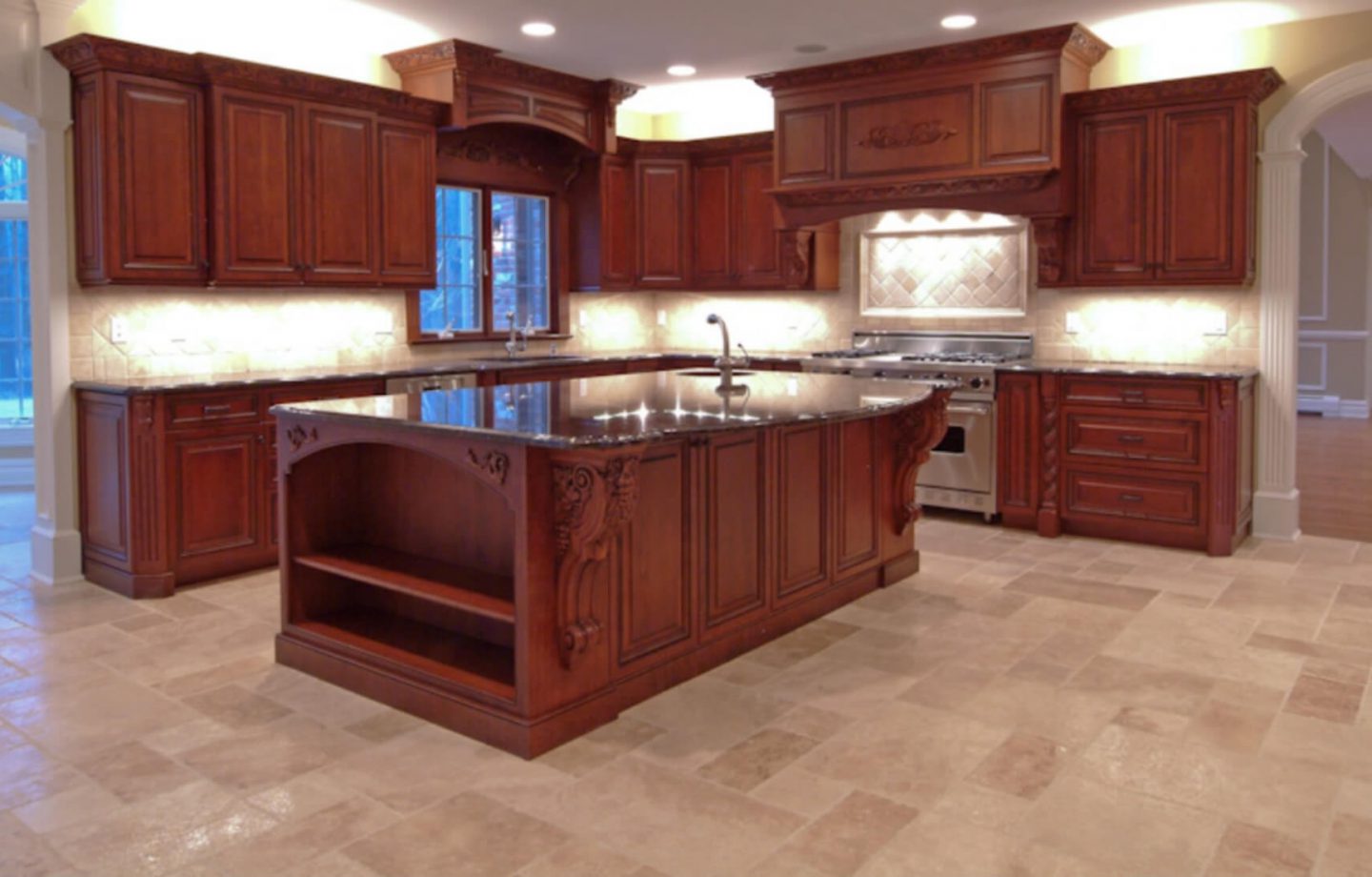


A worn oak kitchen, dated honey-colored doors, or scuffed white paint can make the whole room feel tired. But can you paint cabinets and expect them to hold up to daily cooking, fingerprints, steam, and cleaning? Yes – provided the cabinets are structurally sound and the preparation is handled correctly. Cabinet painting is not a shortcut for every kitchen, but it can be one of the smartest ways to change the look of a space without taking on a full remodel.
For homeowners, the real question is not whether paint will stick. It is whether the existing cabinets are worth saving, whether the finish work will last, and whether the cost makes sense compared with refacing or replacement. The answers depend on the cabinet material, their condition, and how much change you want from the room.
Can You Paint Cabinets That Are Already Finished?
Most previously finished cabinets can be painted. Solid wood cabinets are usually the best candidates because they are durable, repairable, and worth refinishing. Painted wood, stained wood, and many wood veneer cabinet doors can all receive a new finish when they are cleaned, sanded, primed, and painted with the right products.
The word “prep” gets used a lot in painting, but cabinet prep is where the job is won or lost. Kitchen cabinets collect cooking oils and residue even when they look clean. If that grease is left behind, primer and paint may fail to bond properly. A fresh coat can look great for a few weeks, then begin to chip around handles, door edges, and frequently used drawers.
Laminate and thermofoil cabinets can also sometimes be painted, but they need more careful evaluation. Smooth, nonporous surfaces are harder for coatings to grip. Thermofoil that is peeling, bubbling, or pulling away from the door is generally a poor candidate for paint. The paint may cover the issue briefly, but it will not repair a failing door surface.
Cabinets made from particleboard or MDF can be painted as well, especially when the doors and boxes are still in good shape. The concern is water damage. Swollen particleboard, crumbling edges, or soft areas around the sink are signs that replacement may be the better investment.
When Painting Cabinets Makes Sense
Painting usually makes sense when your cabinet layout works, the boxes are sturdy, and you want a major visual improvement without changing the footprint of the kitchen. It is especially effective when good-quality wood cabinets are hiding under an outdated stain or paint color.
A cabinet painting project can also be a strong choice before selling a home or updating an investment property. A clean, professionally finished cabinet color paired with new hardware, improved lighting, and a fresh backsplash can make a kitchen feel dramatically more current. That does not mean every kitchen needs bright white cabinets. Soft off-whites, warm greiges, muted greens, deep blues, and natural wood-and-paint combinations can all work when they fit the home.
For many Staten Island homeowners, the appeal is practical. Older homes often have kitchens with solid cabinet construction but finishes that no longer match the rest of the house. If the cabinet boxes are square, the doors close properly, and the storage works for your family, painting can preserve what is good while giving the room a cleaner, more finished appearance.
When You Should Not Paint Your Cabinets
Paint cannot correct every cabinet problem. If doors are warped, hinges are pulling out, boxes are damaged by leaks, or drawers do not function properly, a paint job alone may not deliver the result you are hoping for. Those issues should be repaired first, and in some cases, the cabinet system is simply at the end of its life.
Painting is also not the right move when the kitchen layout itself is the problem. If you need more storage, better traffic flow, a larger opening to another room, a new island, or modern appliance placement, putting money into paint may delay the remodel you really need. In that situation, it is usually better to plan the renovation as one coordinated project rather than finish cabinets that will soon be removed.
There is also a style consideration. If you love the character of natural wood and the cabinets are in excellent condition, covering them with paint may not be the best choice. Refinishing the existing wood, replacing only damaged doors, or updating surrounding finishes can keep that warmth while still improving the kitchen.
What a Durable Cabinet Paint Job Requires
A professional cabinet finish is more than brushing paint onto doors in place. Doors, drawer fronts, and hardware are typically removed so every visible edge can be prepared and coated properly. The cabinet boxes need the same attention, particularly around face frames, corners, and areas near the range and sink.
The process generally starts with labeling and removal, followed by deep cleaning and degreasing. Surfaces are then sanded or deglossed to create a profile for adhesion. Dents, old hardware holes, open seams, and minor damage are repaired before a bonding primer is applied. After the primer cures, the surfaces are sanded again for a smooth finish and coated with a durable cabinet-grade paint.
The right product matters. Wall paint is not designed for doors that are opened and closed dozens of times a day. Cabinet coatings need to resist moisture, scuffs, staining, and routine cleaning. They also need proper drying and curing time. A cabinet can feel dry to the touch long before the finish reaches its full hardness, which is why rushing reinstallation or heavy use can damage an otherwise good paint job.
Spraying often produces the smoothest factory-style look on doors and drawer fronts, but it requires careful masking, dust control, ventilation, and a clean work area. Brushing and rolling can still produce a strong result in the right hands, particularly on cabinet boxes or when a lightly textured finish suits the style of the home. The method should fit the cabinet material, the space, and the expected finish level.
The Details Homeowners Often Miss
Hardware changes are one of the biggest decisions in a cabinet painting project. New pulls or knobs can complete the update, but different hardware spacing may leave old holes exposed. Those holes need to be filled, repaired, and refinished before the new hardware goes on. It is a small detail that makes a major difference in whether the finished kitchen looks intentional.
Hinges deserve attention too. Old exposed hinges may clash with a newly painted cabinet color, while concealed hinges may need adjustment once doors are reinstalled. Soft-close upgrades, door alignment, drawer repairs, and new bumpers are not always required, but they can make painted cabinets feel more like a complete kitchen upgrade instead of a cosmetic refresh.
Color selection should be based on the entire room, not a sample viewed by itself. Countertops, backsplash tile, flooring, wall color, lighting temperature, and nearby rooms all influence how cabinet paint reads. A white that looks crisp in a showroom can look blue, gray, or yellow in a particular kitchen. Testing larger samples in the actual space is worth the effort.
Paint, Reface, or Replace?
Painting is typically the most economical option when the existing cabinets are solid and the layout stays the same. Refacing can be a middle ground when cabinet boxes are usable but you want completely new door styles or a wood-grain finish. Full replacement costs more, but it gives you the freedom to redesign storage, change the layout, improve cabinet quality, and coordinate every part of a larger kitchen remodel.
The best choice comes down to what you are trying to solve. If the issue is color and surface wear, painting may be exactly right. If the issue is poor storage, damaged construction, or an outdated layout, it may be wiser to put the budget toward a more complete renovation.
A well-painted cabinet should not look like a temporary fix. With careful preparation, quality materials, and detail-focused installation, it can give a hardworking kitchen a clean new life. Before choosing a color, take an honest look at what is behind the doors – the condition of the cabinets should guide the project, not just the finish you see from across the room.