

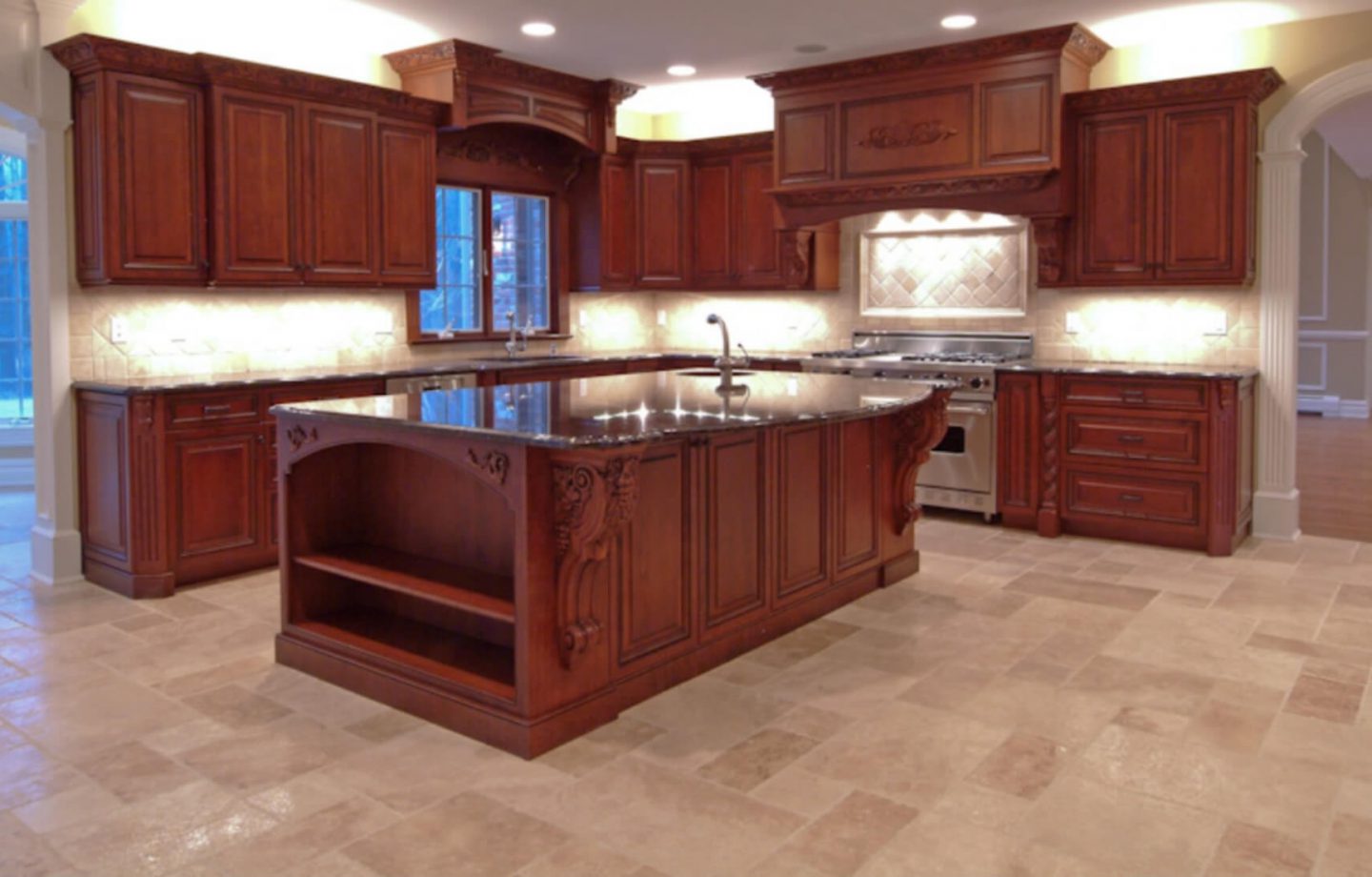


A kitchen island can fix a lot of problems – but it can also create new ones if it is too big, too shallow, or stuck in the wrong spot. If you are figuring out how to design kitchen island features for a real family kitchen, the goal is not just to add a centerpiece. The goal is to make the room work better every single day, from cooking and cleanup to storage, traffic flow, and seating.
That is where a lot of homeowners get tripped up. They focus on the look first, then try to force the function in later. A good island starts the other way around. You need to know what job it is supposed to do before you decide on stone, paint color, pendant lights, or decorative panels.
Start with what the island needs to do
Before you think about shape or finish, decide what you want the island to handle. In some kitchens, the island is mainly for prep space. In others, it is where the sink goes, where kids eat breakfast, where storage gets added, or where guests naturally gather when people come over.
Most islands try to do more than one job, and that is fine. The problem starts when one island is expected to do everything. A prep sink, full-size sink, dishwasher, microwave drawer, trash pullout, deep pots-and-pans drawers, seating for four, and a cooktop all sound great on paper. In practice, that can leave you with a crowded surface and cramped cabinets.
Be honest about priorities. If you cook often, clear prep space matters more than decorative overhang. If your family eats at the island every morning, seating comfort matters more than squeezing in one extra drawer bank. If you entertain, circulation around the island matters just as much as the island itself.
How to design kitchen island size and spacing
Size is where good intentions go bad. A lot of islands are oversized for the room because bigger feels more impressive. But if people have to turn sideways to get around it, it is not a good design.
A comfortable kitchen needs clearance around the island, especially in work zones. In many layouts, around 42 to 48 inches of walkway space is a strong target, depending on how many people use the kitchen and whether appliance doors will open into those paths. If the kitchen is tight, every inch counts. A slightly smaller island often works better than a large one that chokes the room.
The island depth matters too. Many homeowners like the idea of a deep island, but extra depth is only useful if it improves storage or function. If it just creates a large slab with unreachable space in the middle, it becomes wasted square footage.
Length should match the kitchen, not dominate it. A long island can look great in an open layout, but it should still feel balanced with the cabinetry, appliances, and surrounding room. If the island is the first thing you notice and the only thing you can notice, it is probably too much.
Decide whether the island should include appliances or plumbing
This is one of the biggest forks in the road. An island without plumbing or appliances is usually simpler, cleaner, and less expensive to build. It gives you flexible workspace and straightforward storage. For many homes, that is the smartest move.
But there are cases where adding a sink, microwave, or cooktop makes sense. A prep sink can improve workflow if two people cook at the same time. A microwave drawer can free up wall cabinet space. A cooktop in the island can work in a large kitchen if there is enough landing space and ventilation is handled properly.
There are trade-offs. Once you add plumbing, electrical, gas, or ventilation, the build gets more involved. Costs rise. Layout options shrink. Maintenance can become a little less convenient too. A cooktop in the island, for example, puts grease and splatter right where people may also sit or gather. A sink can break up the clean counter space homeowners thought they were adding.
If you are not sure, keep the island as a work and storage hub first. That is usually the most practical starting point.
Storage should be planned, not guessed
One of the best reasons to add an island is storage, but only if that storage is designed with a purpose. Random cabinets are not the same as useful cabinets.
Deep drawers are often better than standard base cabinets because they bring everything out to you. Pots, pans, mixing bowls, sheet trays, serving pieces, and small appliances all store better in the right drawer setup. Trash and recycling pullouts also make a big difference in daily use, especially when they are placed near prep areas.
Open shelving can look nice in photos, but it depends on your habits. If you are tidy and want a place for cookbooks or baskets, it can work. If not, it turns into visible clutter fast. Closed storage usually wins for busy family kitchens.
If the island includes seating, think about what happens behind those stools. Cabinet depth, knee space, and leg room all affect what storage can fit. You often have to choose between maximizing storage and maximizing seating comfort. There is no perfect answer. It depends on how your household really uses the kitchen.
Seating needs real comfort, not just enough overhang
A lot of islands are built for seating that looks good but feels tight. If people are going to sit there for coffee, homework, or a quick dinner, comfort matters.
Stool spacing is a big part of that. Cramming in one extra seat usually makes the whole setup worse. People need elbow room, and they should not feel squeezed against a corner or appliance. Knee space matters just as much. Without proper overhang and support planning, the island becomes a place where nobody actually wants to sit for more than ten minutes.
The height matters too. Standard counter-height seating is the most common choice because it feels natural in a kitchen. Bar-height islands used to be popular, but they can make the space feel more closed off and less practical for prep work.
If you want seating, design it for the number of people who will realistically use it most often. A comfortable three-seat island beats an awkward four-seat island almost every time.
Materials and finishes need to match real life
This is where style meets wear and tear. Your island usually takes more abuse than the perimeter cabinets because it becomes the center of daily activity. People lean on it, drag bags across it, set groceries down, and use it as a landing zone for everything.
Countertop choice matters. Natural stone can look beautiful, but some materials require more maintenance than others. Quartz is popular because it is durable and low maintenance for busy households. If you cook a lot, stain resistance and ease of cleanup are worth paying attention to.
Cabinet finish matters too. Painted islands can add contrast and character, but darker colors may show dust, scratches, or wear differently than lighter tones. Wood tones can bring warmth and hide some everyday use more gracefully. It depends on the look you want and how much traffic the kitchen gets.
Decorative end panels, trim, and furniture-style details can elevate the island, but they should fit the house. In some kitchens, a clean shaker-style island looks right. In others, custom millwork helps the piece feel finished. Good design is not about adding detail everywhere. It is about adding the right detail in the right amount.
Lighting can make or break the island
Even a well-built island feels off if the lighting is wrong. Pendants should look good, but they also need to give useful light and be scaled properly to the island size.
Too-small fixtures can disappear. Oversized fixtures can crowd sightlines and make the room feel heavy. The spacing between pendants matters, and so does the mounting height. Hang them too low, and they become an obstacle. Too high, and they lose impact.
Layered lighting usually works best. Pendants provide visual focus, but recessed lighting often fills in the task lighting the island actually needs. If the kitchen remodel includes electrical updates, this is worth planning early instead of treating it like a finishing touch.
How to design kitchen island for your layout
Every kitchen has its own limits. A large open-concept space gives you more flexibility. A narrower kitchen may need a compact island or even a peninsula instead. For some homes, forcing an island into the room is the wrong call entirely.
That is why layout planning matters more than trends. A waterfall edge, bold color, or oversized slab may look great online, but your kitchen still has to function on a Monday morning. Appliance swings, traffic paths, door clearances, and family routines all matter more than what is currently popular.
In older homes around Staten Island, kitchen layouts can be especially tricky because the room dimensions are not always generous and every inch has to be used well. That is where careful planning and hands-on remodeling experience really pay off. The right island should feel like it belongs in the house, not like it was dropped in from a showroom.
A well-designed island does not need to be flashy. It needs to earn its footprint. If it improves movement, adds smart storage, gives you useful work surface, and still looks right in the room, you made the right call.