





Sticker shock usually hits fast in a kitchen. Cabinets cost more than expected, tile adds up, and one “small” change can turn into three more. If you’re wondering how to remodel kitchen for cheap, the good news is this: you do not need a full gut renovation to make a kitchen look cleaner, work better, and feel more updated.
The mistake most homeowners make is thinking cheap means cutting corners. It does not. A budget kitchen remodel works when you spend on the changes people see and use every day, and hold back on anything that adds cost without adding real value. That takes planning, discipline, and a clear idea of what actually moves the needle.
How to remodel kitchen for cheap starts with priorities
Before you pick paint colors or shop for fixtures, decide what the kitchen needs to do better. Some kitchens need more storage. Some need better lighting. Others are just dated and tired but still functional. Those are very different jobs, and your budget should reflect that.
If your cabinet boxes are solid, your layout works, and your plumbing and electrical are in decent shape, you are already ahead. Keeping those major pieces in place is one of the biggest ways to control cost. Moving a sink, relocating a gas line, or opening walls can quickly push a low-budget remodel into a much bigger project.
A smart approach is to divide your plan into must-haves and nice-to-haves. Must-haves are things like damaged flooring, failing cabinets, poor lighting, or surfaces that are hard to clean. Nice-to-haves are things that look great but are not essential, like high-end designer tile, custom range hoods, or premium built-ins. When the budget gets tight, nice-to-haves are where you pull back first.
Keep the layout if you can
Changing the footprint of a kitchen is where budgets get hit hard. The minute you move plumbing, electrical, walls, or appliances to new locations, labor costs rise and the job gets more complicated.
That does not mean you are stuck with an awkward room forever. Sometimes small adjustments help without creating a full redesign. You might swap a bulky table for a slimmer island cart, remove one upper cabinet section to open the room, or replace a deep cabinet with better drawer storage. But if the current layout basically functions, keeping it is one of the strongest budget decisions you can make.
For many homeowners, a cheap kitchen remodel is really a kitchen refresh with targeted upgrades. There is nothing wrong with that. In fact, it is often the smarter investment.
Cabinets make or break the budget
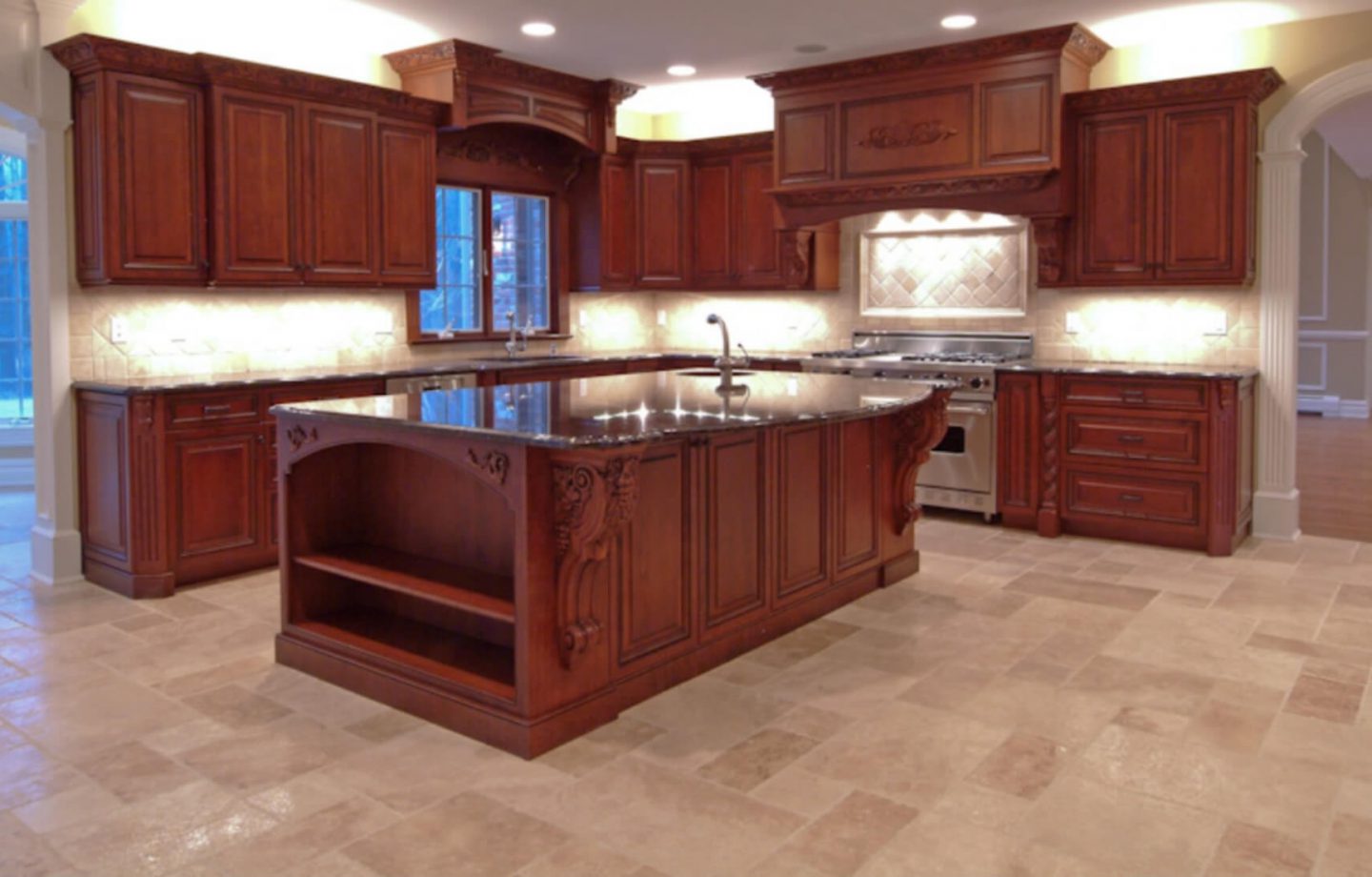
Cabinet replacement is one of the most expensive parts of kitchen remodeling. If the cabinet boxes are structurally sound, painting or refacing usually makes more sense than tearing everything out.
Painting cabinets can transform the room, but only if it is done correctly. Prep matters. Surfaces need to be cleaned, sanded, repaired, primed, and finished with the right products. A rushed paint job may look good for a month and then start chipping around handles and edges. If you are trying to save money, this is one area where poor workmanship can cost more later.
Refacing is another option when the cabinet boxes are good but the doors are dated. It typically costs less than full replacement and still gives the kitchen a fresh face. If your doors are warped or the layout of the cabinetry is inefficient, replacement may still be the better long-term move. This is where honest jobsite assessment matters.
New hardware also goes a long way. Clean, modern pulls and knobs can change the whole look of cabinets for a fraction of what replacement costs.
Spend carefully on countertops and backsplash
Countertops get a lot of attention, but they do not need to be luxury-grade to look sharp. Laminate has improved a lot over the years, and some butcher block options offer warmth and character without the price of stone. Entry-level quartz can also make sense if you want durability and a more upscale finish without jumping into premium slabs.
The right choice depends on how you use the kitchen. A busy family kitchen may need something more durable and easier to maintain. A light-use apartment or rental might do just fine with more budget-friendly materials.
Backsplashes are another place where people overspend. You do not need a complicated pattern or an imported tile to make a statement. Simple subway tile, installed cleanly with tight lines, still works because it is timeless and easy to maintain. Good installation matters more than flashy material.
Lighting is one of the cheapest upgrades with the biggest payoff
A lot of kitchens feel outdated because the lighting is bad. One dim ceiling fixture can make even decent finishes look tired. Better lighting improves how the room works and how it looks.
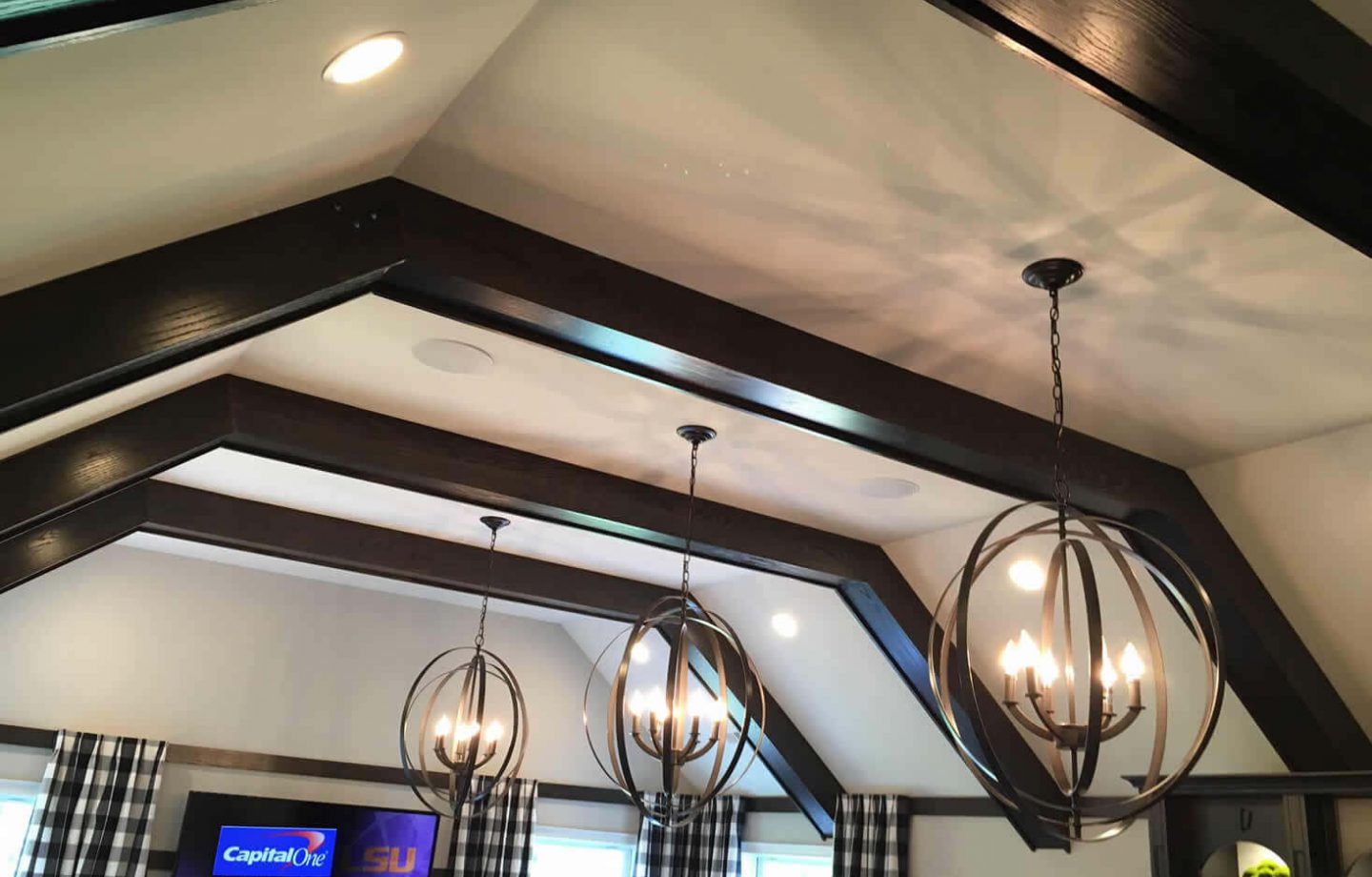
Under-cabinet lighting, brighter recessed lights, or updated pendants over an island can make a major difference without requiring a full renovation. Even replacing old yellow-toned bulbs with cleaner, brighter lighting can freshen the room.
This is also where cheap should not mean careless. Electrical work needs to be done right and up to code. Saving money is important. So is safety.
Flooring should match the real world
Kitchen floors take a beating. Spills, foot traffic, chair movement, and dropped pans all add up. If your current floor is failing, replace it with something practical, not just something trendy.
Luxury vinyl plank is popular for a reason. It handles wear well, costs less than many hardwood or tile installations, and comes in styles that look much better than older budget flooring. Tile is durable too, but labor can push the price up depending on the space and subfloor condition.
If the existing floor is in decent shape and the budget is tight, you may be better off leaving it alone and spending elsewhere. That is one of the real trade-offs in how to remodel kitchen for cheap. Not every surface needs to be new for the kitchen to feel improved.
Where homeowners waste money
Budget remodels usually go off track in familiar ways. One is buying materials before having a real plan. Another is mixing bargain products with high-end expectations. Cheap materials can work, but they need to be chosen carefully and installed well.
Another common mistake is trying to do every upgrade at once. If your budget supports cabinets, counters, paint, and lighting, great. If not, phase the work. A kitchen can be improved in stages without becoming a never-ending project, as long as the sequence is planned properly.
Then there is the hidden cost of poor labor. A bad tile job, sloppy trim work, uneven cabinet installation, or rushed painting can drag down the whole room. Homeowners often focus hard on material prices and forget that craftsmanship is what makes the finished kitchen feel right. Saving on labor only works if the work still holds up.
The best low-cost kitchen upgrades
If the goal is maximum impact without tearing the room apart, focus on visible, practical improvements. Painted cabinets, new hardware, updated lighting, fresh paint on walls and trim, a simple backsplash, and a durable countertop often give the biggest return for the money.
A new faucet can also sharpen the look of the sink area. So can replacing a damaged or outdated sink if the plumbing location stays the same. Even details like straight trim lines, clean caulking, and proper transitions matter more than most people expect. A kitchen feels expensive when it looks finished.
For homeowners in Staten Island, especially in older homes, it is also smart to expect a few surprises once work begins. Uneven walls, older wiring, and out-of-level floors are common. That does not mean the project has to blow the budget, but it does mean you should leave room for practical adjustments.
Cheap does not mean temporary
A budget-conscious remodel should still last. That means choosing durable finishes, keeping the scope realistic, and making decisions that fit the house. Not every kitchen needs custom cabinetry or top-shelf stone. But every kitchen benefits from solid workmanship, thoughtful planning, and clean execution.
That is where homeowners get the best result – not by chasing the absolute lowest number, but by spending where it counts and avoiding waste. A contractor who understands both finish work and full renovation scope can help you figure out what is worth saving, what is worth upgrading, and what should be left alone.
If your kitchen is tired but the bones are good, there is a lot you can do without overspending. Start with the layout, be honest about priorities, and put your money into the changes that make the room cleaner, brighter, and easier to live in. A smart remodel does not have to be flashy to feel like money well spent.