



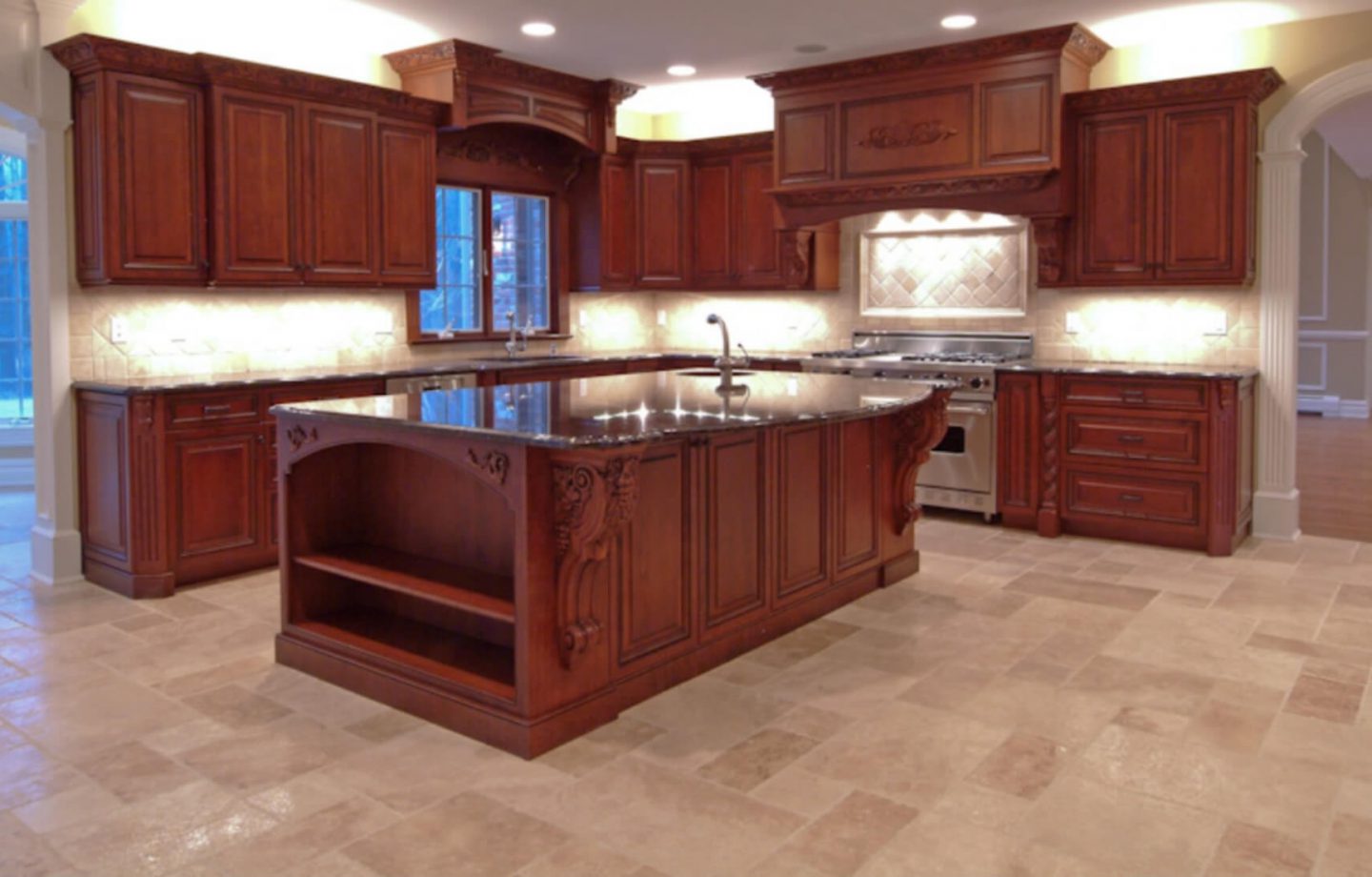


A kitchen can feel worn out long before it stops working. Faded finishes, dated oak doors, chipped paint, and tired hardware can make homeowners think the entire cabinet system has to go. Sometimes it does. But refinishing cabinets versus replacement is not a simple choice between the cheaper option and the better option. The right call depends on what is behind the doors, how well the layout serves your family, and what you want the finished kitchen to do for your home.
For many Staten Island homeowners, cabinets are the largest visual and financial piece of a kitchen renovation. Making the wrong decision can leave you spending money on a short-term cosmetic fix when the room needs real construction work. On the other hand, replacing solid, functional cabinetry just because the color is dated can use up budget that would make a bigger difference elsewhere.
Start With What Your Cabinet Boxes Are Telling You
Cabinet doors get the attention, but the cabinet boxes tell the real story. Open the doors and drawers. Look under the sink, around the dishwasher, at the toe kicks, and along the walls where cabinets meet the floor. A quality cabinet box that is square, dry, and firmly secured can often be refinished successfully. Even older cabinets may be worth saving if they are built from solid plywood or sturdy wood and have held up well.
Replacement becomes more sensible when there is water damage, swelling particleboard, sagging shelves, loose joints, persistent mold issues, or major damage from leaks. The area below a kitchen sink is a common trouble spot. If the base cabinet has deteriorated from years of slow water exposure, new paint will not restore its strength.
Construction quality also matters. Some older kitchens have exceptionally well-built cabinets with solid frames and durable joinery. Others use thin material, weak drawer slides, and boxes that were never designed for long-term use. A contractor should assess the condition in person before recommending either path. A finish can improve appearance, but it cannot turn failing cabinetry into a durable kitchen.
Refinishing Cabinets Versus Replacement: The Real Differences
Refinishing generally means keeping the existing cabinet boxes and doors while changing their appearance. Depending on the project, that may involve professional cleaning, repairs, sanding, priming, painting, staining, clear coating, and new hardware. It is a strong option when the existing layout works and the cabinets are structurally sound.
Replacement means removing the existing cabinets and installing new ones. That can be a straightforward cabinet swap, but it often grows into a larger renovation. Once cabinets come out, homeowners may decide to adjust plumbing, move appliances, add electrical outlets, repair walls, install flooring, or change the countertop and backsplash. That expanded scope can be worthwhile, especially when it solves problems that have frustrated the household for years.
The biggest difference is not the paint color or door style. It is whether you are improving what you already have or rebuilding the kitchen around a better plan.
When Refinishing Is the Smart Investment
Refinishing makes sense when your cabinet layout is functional, storage is adequate, and the boxes are in good condition. If you like where the refrigerator, sink, range, and pantry are located, a new finish can make the kitchen look substantially different without the disruption of a full tear-out.
It is especially practical for homeowners who want to update a dated wood tone, refresh cabinets before selling, or bring a kitchen into line with the rest of a newly renovated home. Fresh cabinet paint, modern pulls, updated hinges, and a coordinated backsplash can change the entire feel of the room.
A professional refinishing job is more than rolling paint over cabinet doors. Proper surface preparation is what determines whether the finish looks clean and lasts. Cabinets need to be degreased thoroughly, repaired where needed, sanded correctly, primed with the right product, and finished carefully. Kitchen surfaces take daily abuse from heat, moisture, grease, hands, and cleaning products. Skipping preparation may save time up front, but peeling edges, visible brush marks, and worn high-touch areas can show up quickly.
Refinishing also preserves your current countertop and backsplash when they are still in good shape. That can keep the project contained and help homeowners focus their budget on other improvements, such as lighting, flooring, trim, or an updated wall color.
When Replacement Is Worth the Additional Cost
Replacement is the better choice when the kitchen no longer works for the way you live. Maybe there is no pantry storage, the drawers are shallow, the corner cabinets are hard to access, or the traffic flow is cramped whenever two people are cooking. Cosmetic work will not fix a layout problem.
It is also the right time to replace cabinets when you plan to make larger changes. Moving a sink, adding an island, opening a wall, installing a larger range, or changing appliance locations usually calls for a cabinet plan built around those decisions. New cabinetry gives you the freedom to select deeper drawers, pull-out trash storage, dedicated spice pullouts, pantry systems, soft-close hardware, and a door style that fits the rest of the home.
Replacement may also be necessary when cabinet dimensions do not work with a new countertop plan or appliance selection. For example, a homeowner who wants a larger refrigerator or a different range configuration may find that existing cabinet spacing creates limitations. It is better to identify those issues before ordering materials than to force new appliances into an old layout that was never designed for them.
There is more construction involved, so homeowners should expect more planning and a longer period without a fully working kitchen. A dependable general contractor can manage the details from demolition through finish work, including wall repairs, electrical coordination, flooring transitions, tile, trim, and installation. That is where a full-service approach helps prevent the project from feeling like a series of disconnected jobs.
Think Beyond the Initial Price
Refinishing usually costs less than replacement because it avoids demolition, new cabinet materials, and much of the installation labor. But the lowest initial cost is not always the best value. If you refinish cabinets that are already failing, you may pay again sooner than expected. If you replace quality cabinets that only need a new finish, you may be spending money that could improve the kitchen in more meaningful ways.
Home value should be considered realistically, too. A clean, professionally refinished kitchen can make a strong impression when the room is functional and the finish work is sharp. A full replacement may have greater appeal when the original kitchen is clearly outdated, damaged, or poorly designed. Neither option guarantees a specific return, but buyers and homeowners alike notice quality, consistency, and whether the kitchen feels cared for.
Your timeline matters as well. Refinishing can often be less disruptive, although the kitchen still needs to be protected and surfaces need proper curing time. Replacement takes longer but creates an opportunity to correct hidden issues behind the old cabinets, including damaged drywall, outdated wiring, or plumbing concerns. Those discoveries are not always convenient, but addressing them during a renovation is better than covering them up and hoping they do not become a problem later.
Questions to Answer Before You Commit
Before choosing a direction, be honest about what bothers you every day. If the answer is, “I hate the cabinet color,” refinishing may be the answer. If the answer is, “There is never enough storage,” “the sink area is damaged,” or “the kitchen is difficult to cook in,” replacement may be the more responsible investment.
It also helps to separate must-haves from nice-to-haves. A homeowner may want a complete custom kitchen, but a refinishing project with new hardware and lighting could meet the immediate goal while protecting the budget. Another homeowner may initially ask for paint but realize that damaged bases and an inefficient layout make a full renovation the better long-term move.
Bring photos, measurements, and a clear list of priorities to a contractor consultation. Ask whether the existing boxes are structurally worth saving, what preparation is needed for refinishing, and which parts of the kitchen would need to change if cabinets are replaced. Straight answers at the start lead to fewer surprises once work begins.
Clean Sweep Contracting approaches kitchen work with the full scope in mind, not just the first visible issue. That means looking at cabinet condition alongside the surrounding walls, flooring, tile, plumbing, trim, and finish details so the result feels complete.
A kitchen should work hard for the people using it. Choose refinishing when your cabinets have good bones and your layout already earns its keep. Choose replacement when the structure, storage, or flow is holding the room back. Either way, the best finished kitchen is one built on sound materials, careful workmanship, and a plan that makes daily life easier.