



A good remodel should not feel dated the minute the last piece of trim goes up. That is why the 2027 remodeling trends worth watching are less about chasing a social media look and more about building a home that works harder, feels more personal, and holds up to real family life. For homeowners planning a kitchen, bathroom, basement, or full interior renovation, the best move is to separate lasting improvements from short-lived design noise.
2027 Remodeling Trends Put Function First
The biggest shift is straightforward: homeowners are asking more from every square foot. A beautiful room still matters, but looks alone are not enough. People want better storage, easier maintenance, flexible layouts, stronger lighting, and finishes that can handle kids, pets, guests, and daily use without becoming a constant project.
This does not mean every home needs to become high-tech or ultra-modern. In many Staten Island homes, the right renovation respects the character of the house while fixing the problems that make it feel cramped, dark, or outdated. A well-planned project may mean opening part of a wall, reworking a kitchen layout, finishing a basement properly, or adding custom built-ins that finally give everything a place.
The trend is not “more.” It is smarter use of what you already have.
Kitchens Will Feel Warmer and More Built In
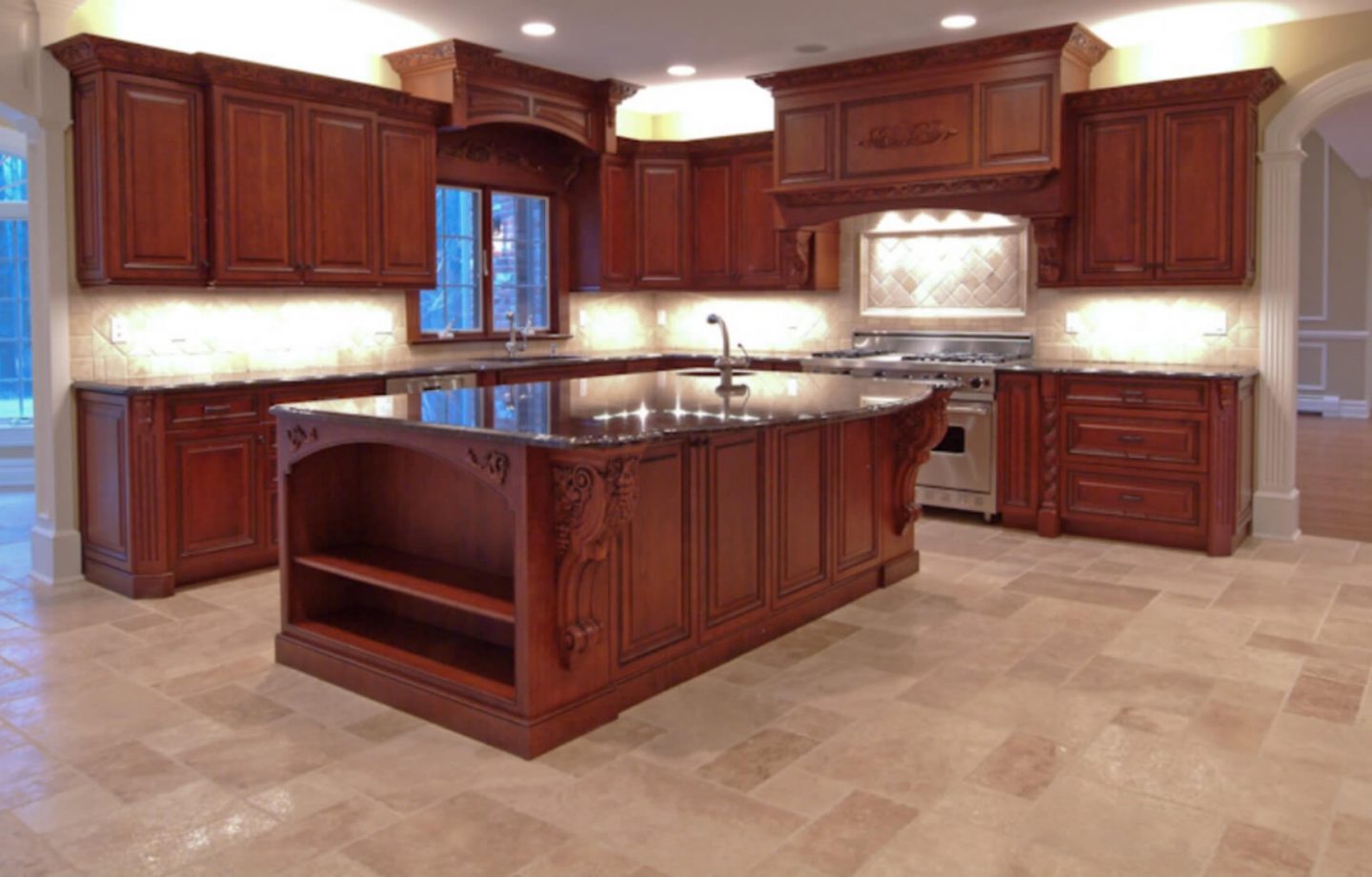
For years, bright white kitchens dominated renovation wish lists. White is still a clean, dependable choice, especially in homes with limited natural light. But 2027 is likely to bring more warmth and contrast into kitchen design. Expect to see natural wood tones, painted cabinetry in earthy greens, deep blues, soft taupes, and richer neutrals paired with stone surfaces that have movement and character.
The strongest kitchen trend is not a cabinet color. It is the move toward kitchens that look intentionally designed for the house. That includes full-height cabinetry, paneled appliances where the budget allows, custom range hoods, wood accents, and a more furniture-like feel around islands and dining areas.
Storage will be a major part of the conversation. Deep drawers, pullout pantry systems, appliance garages, tray dividers, and built-in charging areas can make a kitchen far more useful without increasing its footprint. If your kitchen is short on space, better cabinet planning usually delivers more value than adding decorative features that take up room.
There is a trade-off with highly customized kitchens. Specialty finishes, custom doors, and natural stone can raise the budget and lead time. The right contractor helps homeowners decide where custom work makes a visible difference and where a durable standard option makes better financial sense.
Lighting Will Be Planned, Not Added at the End
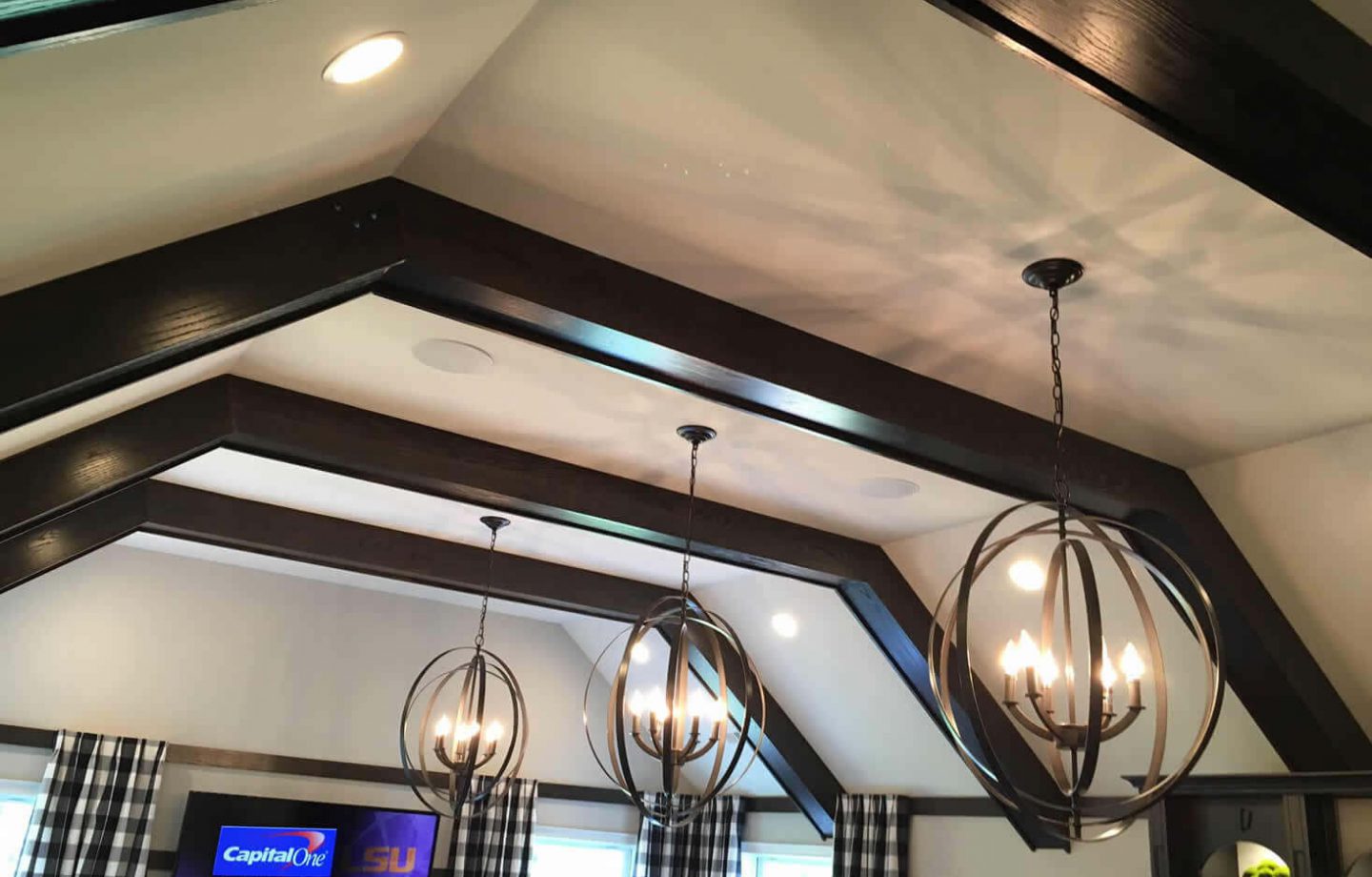
One ceiling fixture in the middle of a kitchen is no longer enough. Layered lighting is becoming standard in quality remodels: recessed lighting for general visibility, pendants for task areas, under-cabinet lighting for countertops, and accent lighting where it supports the room.
Lighting should be addressed early, before walls are closed and cabinets are ordered. It affects electrical work, layout, ceiling details, and how the finished colors actually read in the room. Warm, dimmable lighting can make a kitchen feel inviting at night, while proper task lighting makes prep work safer and easier every day.
Bathrooms Will Feel More Like Personal Retreats
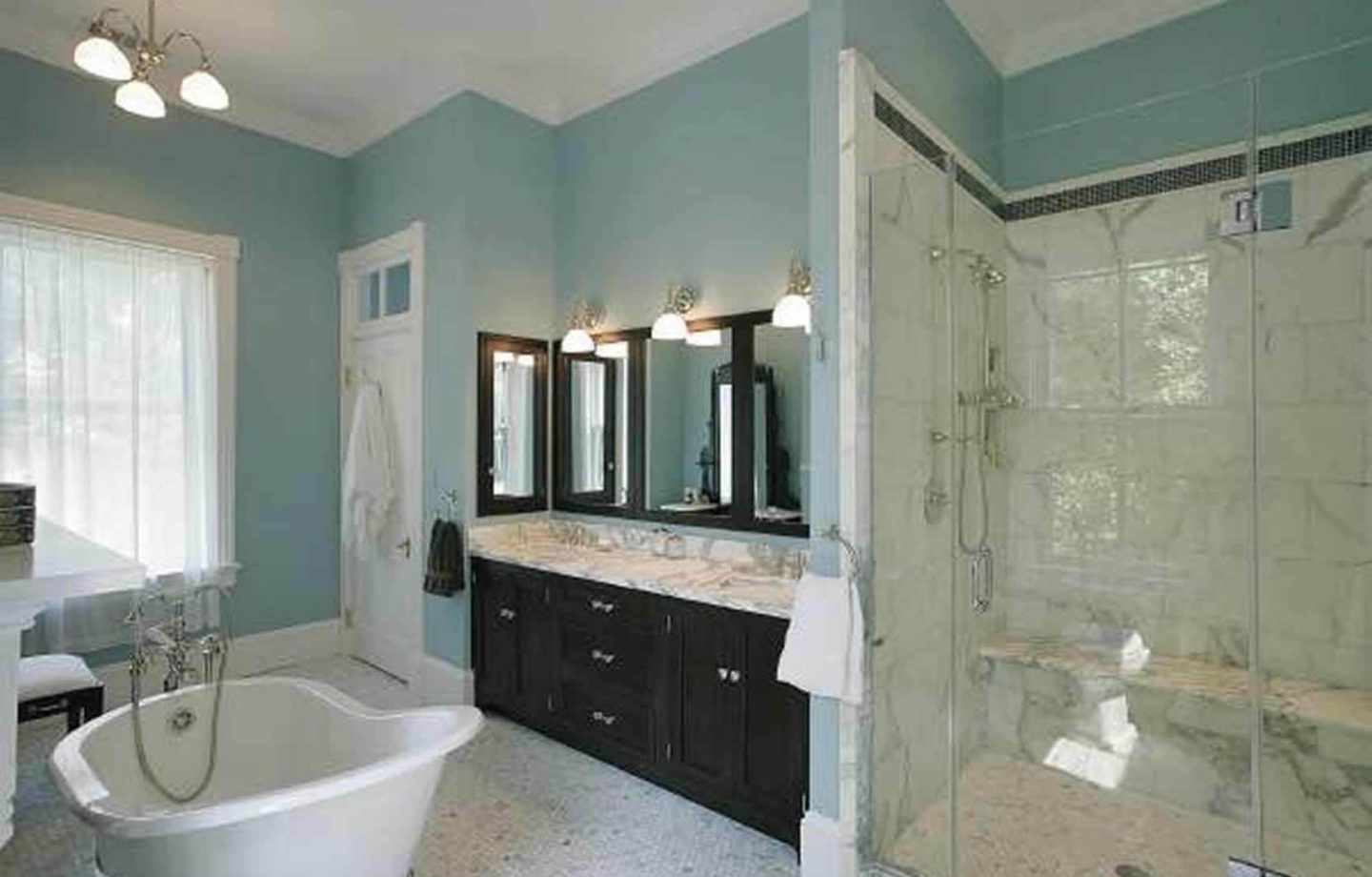
Bathroom remodeling in 2027 will continue moving away from cold, all-gray spaces. Homeowners are choosing warmer tile, natural-looking stone, textured finishes, wood-tone vanities, and softer lighting that makes the room feel comfortable rather than clinical.
Large walk-in showers remain popular, but the best version is built around the homeowner’s routine. Some households want a spacious shower with a bench and handheld fixture. Others need to preserve a tub for young children or future resale. A bathroom layout should not be copied from a showroom if it does not fit the people using it.
Curbless showers will remain in demand because they create a clean look and can improve accessibility. Still, they require careful planning for waterproofing, slope, drain placement, and subfloor conditions. This is not an area for shortcuts. Tile can look perfect on day one, but the work behind it is what protects the home from water damage.
Expect more homeowners to choose practical upgrades that disappear into the finished design: recessed niches, built-in linen storage, heated floors, quiet exhaust fans, and better mirrors with integrated lighting. These details may not be the first thing guests notice, but they are often what make a renovated bathroom feel complete.
Flexible Rooms Will Outlast Single-Purpose Spaces
The home office is no longer a temporary table in a spare bedroom for many families. But a room designed only as an office can become limiting when needs change. One of the more useful 2027 remodeling trends is flexible space – rooms that can serve two purposes without feeling like a compromise.
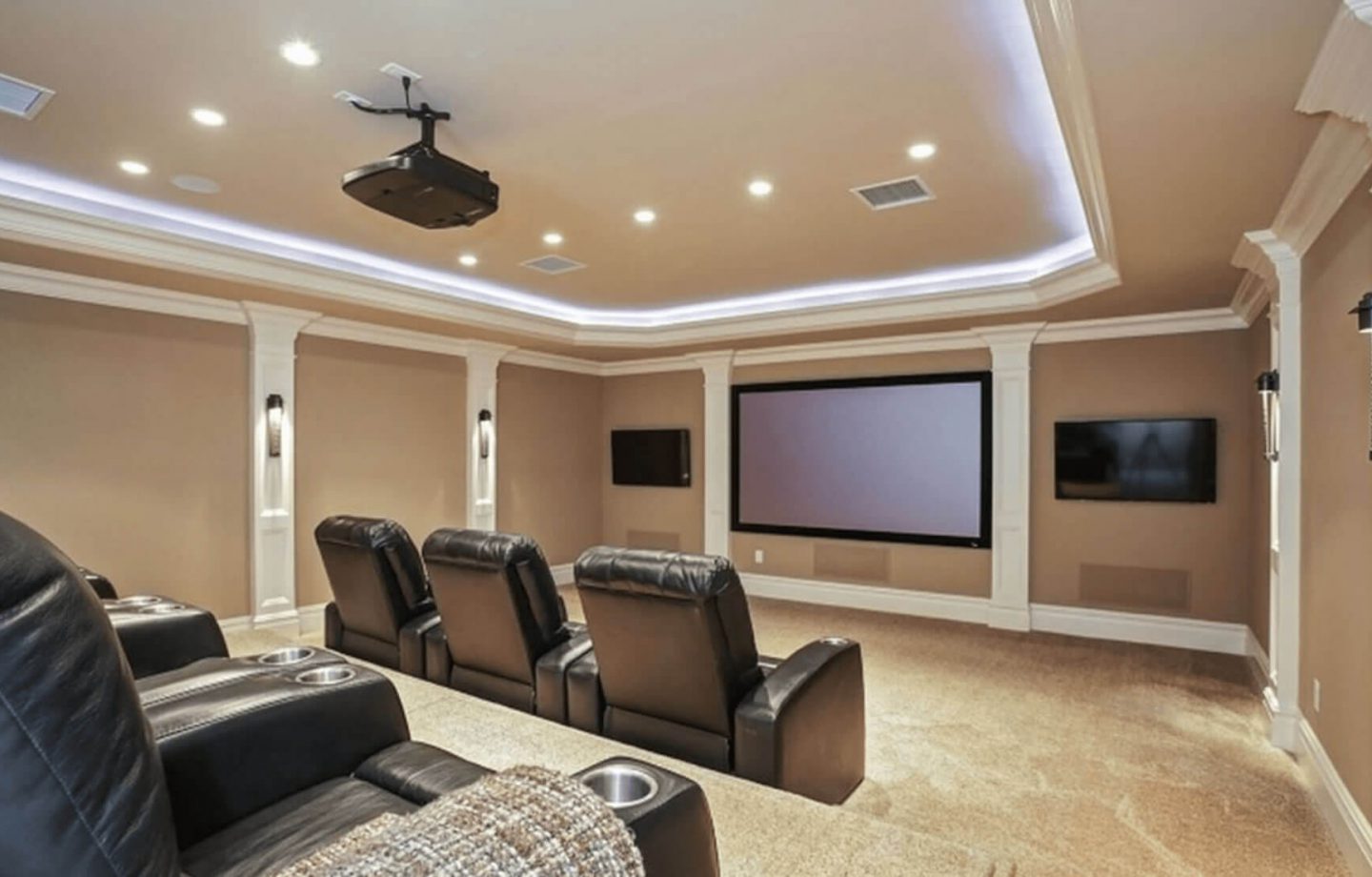
A basement can become a family room with a work nook and organized storage. A guest room can include a built-in desk and wall bed. An unused dining room can become a quiet office, playroom, or homework space while still working for holidays and larger gatherings.
Custom built-ins are especially valuable here. They add storage, give a room a finished look, and make multipurpose spaces easier to keep organized. Done well, built-in cabinetry looks like it belongs in the house, not like a temporary solution pushed against the wall.
Before finishing a basement or converting a room, think through heating and cooling, electrical needs, ceiling height, moisture control, insulation, and egress requirements. A beautiful basement that feels damp, poorly lit, or uncomfortable in winter will not deliver the value you expected.
Material Choices Will Favor Character and Durability
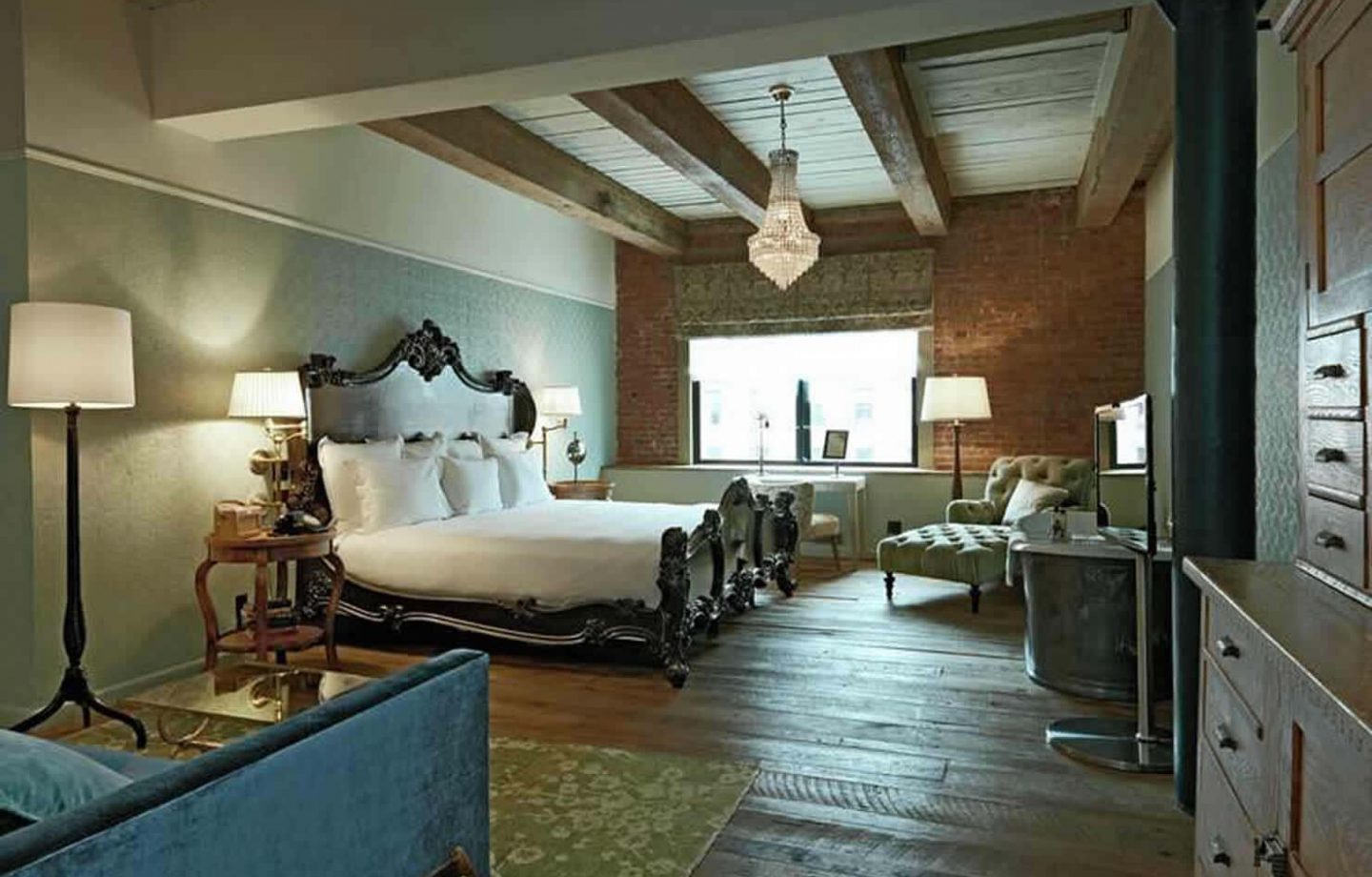
Perfectly uniform finishes are giving way to materials with variation. Homeowners are drawn to veined stone, handmade-look tile, white oak and oak-look flooring, plaster-inspired walls, fluted details, and finishes that add texture without making a room busy.
That said, material selection needs to match the job. Natural stone can be beautiful, but some types require more maintenance and can stain or etch. Wide-plank wood floors bring warmth, but they may show dents in an active household. Porcelain tile can provide the appearance of natural stone or wood with easier care, though the installation quality still matters greatly.
The goal is not to choose the most expensive material in every category. It is to choose finishes that make sense for the room, the household, and the level of maintenance you are willing to take on. A hardworking entryway needs different flooring than a low-traffic formal room. A busy family kitchen needs countertops that can handle real use.
Cleaner Construction Will Become Part of the Standard
Homeowners are paying more attention to how a contractor runs the job, not just how the final photos look. Dust control, floor protection, daily cleanup, clear staging areas, and communication about what happens next are all part of a professional remodeling experience.
This matters even more in occupied homes. Renovation is disruptive by nature, but it should not feel chaotic every day. Proper containment during demolition, organized material deliveries, and a crew that respects the home make a major difference when a family is living through the work.
Clean Sweep Contracting approaches projects with that full-job mindset. Quality is not limited to the final tile line or paint finish. It includes protecting the space, coordinating the work, and taking responsibility from demolition through the final details.
Plan for Longevity, Not Just the Reveal
The best remodeling decisions are often the ones no one sees in a finished-room photo. Upgrading old electrical where needed, correcting framing, improving insulation, addressing moisture issues, and using proper waterproofing may not create instant visual excitement. They do protect the investment and prevent expensive problems later.
If you are planning a renovation for 2027, start with the way your home is failing you now. Maybe the kitchen has no storage, the bathroom is difficult to share, the basement sits unused, or the finishes are worn beyond repair. Then decide which design choices will still feel right five or ten years from now.
A home should reflect your taste, but it also has to carry daily life. Plan the layout carefully, invest in the work behind the walls, and choose a contractor who treats every detail as part of the finished product. That is how a remodel stays useful, durable, and worth coming home to.