




A bathroom renovation before after story is easy to judge by the finished photo: fresh tile, a clean vanity, brighter lighting, and a room that finally feels worth using. But homeowners who get the best results know the real transformation begins before a single tile is removed. It starts with a clear plan, honest answers about the existing space, and a contractor willing to take responsibility for the work behind the walls as well as the finishes in front of them.
What a Bathroom Renovation Before After Should Show
A strong before-and-after project is not just a cosmetic upgrade. The before side often reveals a room with several problems working together: outdated finishes, poor storage, weak lighting, water damage, a cramped layout, or plumbing that no longer works for the family using it. The after side should solve those issues in a way that looks natural, functions better, and holds up to daily use.
The most impressive change is often not the most expensive one. In a small Staten Island bathroom, moving a vanity a few inches, replacing a swinging door with a better option, or choosing a properly sized shower niche can make the room feel more open without adding square footage. Good remodeling is about using every inch with purpose.
The before phase: Look past the surface
Peeling caulk, stained grout, soft flooring, or a leaking ceiling below the bathroom are warning signs, not just cosmetic flaws. A reliable contractor investigates what caused the issue. There may be damaged subflooring, an old plumbing connection, inadequate ventilation, or water intrusion around a tub or shower.
Addressing these conditions early protects the investment in the finished room. Installing beautiful tile over an unstable floor or closing a wall before checking the plumbing may create a fast-looking result, but it is not a lasting renovation.
The after phase: Make every choice work together
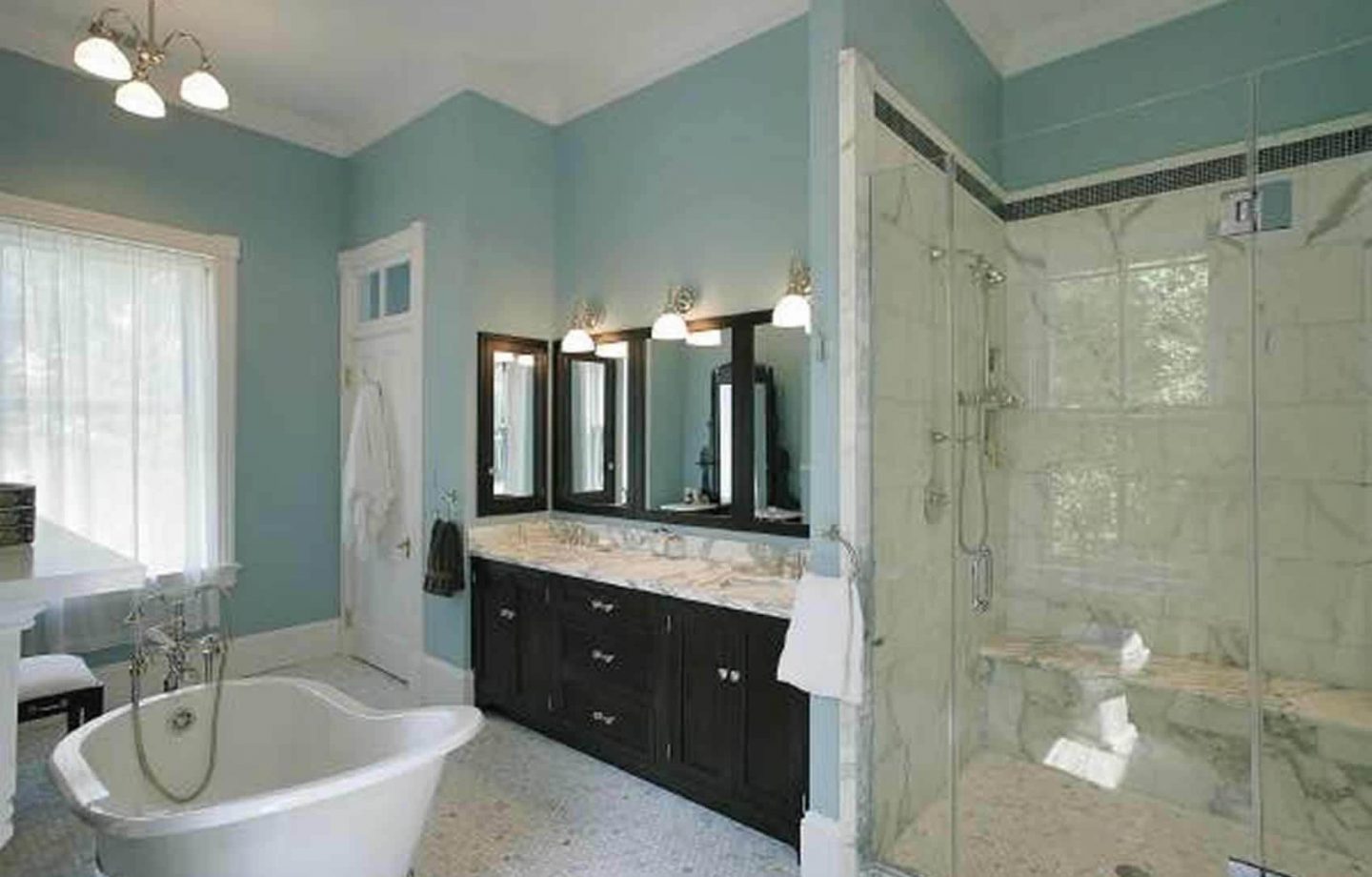
The finished bathroom should feel intentional. The tile layout should be balanced, the vanity should allow comfortable movement, and the lighting should make the mirror useful rather than cast shadows across your face. Fixtures, paint color, hardware, and trim do not need to match perfectly, but they should support one clear direction.
That is where experienced craftsmanship makes the difference. Straight grout lines, clean cuts at corners, secure fixture installation, and neatly finished transitions give a bathroom the polished look homeowners expect after a major renovation.
Start With the Conditions You Cannot See
Bathrooms deal with more moisture than almost any other room in the house. That makes preparation the part of the job that cannot be rushed. Once demolition begins, the contractor should inspect the framing, floor structure, plumbing, electrical work, and signs of mold or long-term water damage.
Not every bathroom requires a complete gut renovation. If the layout works, the plumbing is sound, and the room has no water-related damage, a targeted update may be the right move. New tile, a vanity, lighting, and paint can dramatically improve an older bathroom while keeping costs under control.
A full renovation makes more sense when there are leaks, deteriorated finishes, old plumbing, poor ventilation, or a layout that no longer meets your needs. It can cost more up front, but rebuilding the room correctly is often less expensive than fixing problems after a partial remodel fails.
Waterproofing deserves special attention in any shower area. Tile and grout are not the waterproof layer. A proper system behind the tile, along with correct drain work and sealed transitions, is what helps keep moisture from reaching the framing and subfloor.
Make the Layout Work Harder
A bathroom can look larger without changing its footprint. The key is choosing a layout that respects how people actually move through the room. Start with the door swing, the clearance in front of the vanity, and the space around the toilet and shower. A room may look fine on paper but feel tight every morning if these details are ignored.
For a family bathroom, storage usually matters more than homeowners expect. A vanity with drawers can be more useful than a cabinet with a large open base. Recessed medicine cabinets, wall niches, and built-in shelving can create storage without taking up valuable floor space.
There are trade-offs. A double vanity is convenient for busy households, but it can overwhelm a narrow room or leave too little space for a comfortable shower. A large walk-in shower may feel modern and open, but some households prefer keeping a tub for children or resale flexibility. The right choice depends on the home, the people using the room, and the long-term plan for the property.
Choose Finishes for Daily Life, Not Just the Showroom
Tile, stone, fixtures, and paint create the visual impact people notice first. Still, the best material is not always the one with the boldest display. Consider cleaning, durability, slip resistance, and the way a finish will look after years of use.
Large-format tile can give a small bathroom a clean, modern appearance with fewer grout lines. It also requires a level surface and precise installation. Smaller mosaic tile can work well on shower floors because it offers more grip and follows slopes more easily, though it comes with more grout to maintain.
Natural stone delivers character, but it may require more care than porcelain. Matte black hardware can look sharp, yet it may show water spots more readily than brushed nickel. A floating vanity opens up the floor visually, while a floor-mounted vanity can provide more storage and a more traditional feel. There is no one-size-fits-all answer, which is why samples and planning matter before materials are ordered.
Lighting should be treated as a working feature, not an afterthought. Overhead lighting helps brighten the room, but well-placed mirror lighting improves shaving, makeup, and everyday grooming. A dimmer can make a bathroom practical in the morning and comfortable at night.
Plan the Work So the Job Stays Under Control
The cleanest bathroom renovation before after results come from organized work, not luck. Before construction starts, decisions about the layout, fixtures, tile, vanity size, and finish selections should be as complete as possible. Late changes can affect material lead times, plumbing locations, costs, and the schedule.
A professional renovation also needs clear jobsite habits. Dust control, protection for nearby floors, responsible debris removal, and regular cleanup matter when a crew is working inside an occupied home. Bathrooms are compact spaces, but the work can affect hallways, bedrooms, and living areas if the project is not managed carefully.
Homeowners should also expect direct communication when conditions change. Opening walls can reveal surprises, particularly in older homes. The right response is not to hide the issue or push ahead without a conversation. It is to explain what was found, outline the options, and agree on the next step before the work continues.
Clean Sweep Contracting approaches renovation as an A-to-Z responsibility, from demolition and framing through tile, trim, fixtures, and final cleanup. Having one accountable team helps reduce the handoffs that can lead to missed details and finger-pointing between trades.
The Details That Make the After Feel Finished
The last portion of a bathroom project is where quality becomes obvious. Check that cabinet doors sit evenly, outlets and switch plates are straight, hardware is secure, and caulk lines are clean. Look at tile cuts around niches, corners, and plumbing fixtures. These are small areas, but they are the details you will see every day.
Ventilation is another finished detail that protects the room long after the crew leaves. A properly sized exhaust fan helps control moisture, reduce lingering humidity, and protect paint, trim, and finishes. It is not as exciting as a new shower door, but it is part of building a bathroom that stays in good condition.
Before signing off, test everything. Run the shower, check the drain, operate the fan, turn on each light, open the vanity drawers, and inspect the room from more than one angle. A final walkthrough is the time to catch small adjustments while the project is still active.
A bathroom should not simply look better in the after photo. It should feel easier to use on a rushed weekday morning, easier to clean, and more dependable for years to come. When planning and craftsmanship carry equal weight, the finished room becomes a practical improvement to the home, not just a nice picture.